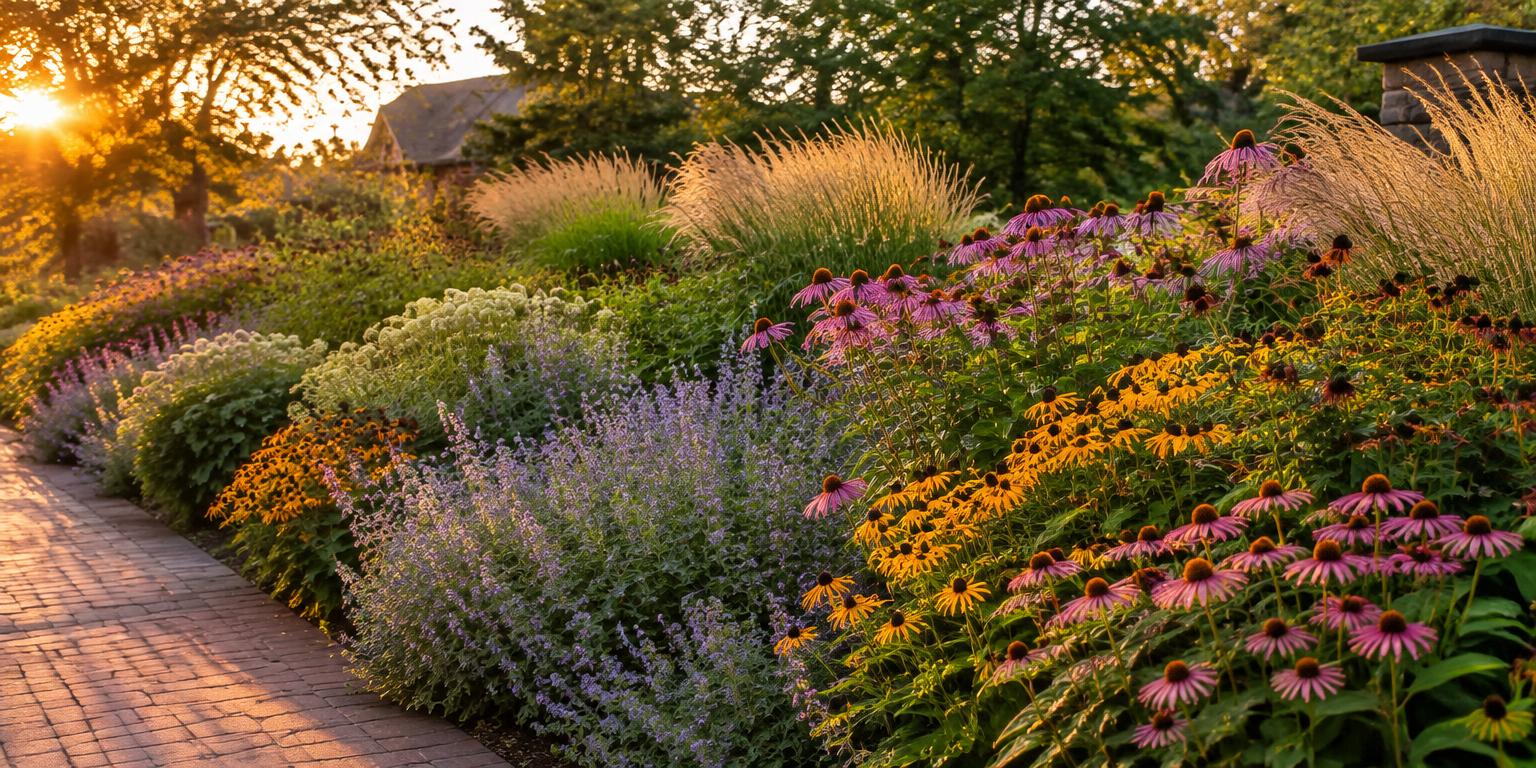
Catalog
Our Plant Catalog
A select few of the trees, shrubs, perennials, evergreens, and annuals we plant around the Boston area. Hundreds more selections are available — chosen to suit your landscape and zone 6.
What we plant
Everything in this catalog is hardy in USDA zone 6 — our planting zone here in the Boston area — so what we put in the ground is built to come back year after year. Annuals are the exception by nature: they give one full season of color and are replanted each spring.
Trees
The longest-lived plants we install — shade, flowering, and specimen trees chosen for structure and how they'll look in twenty years.
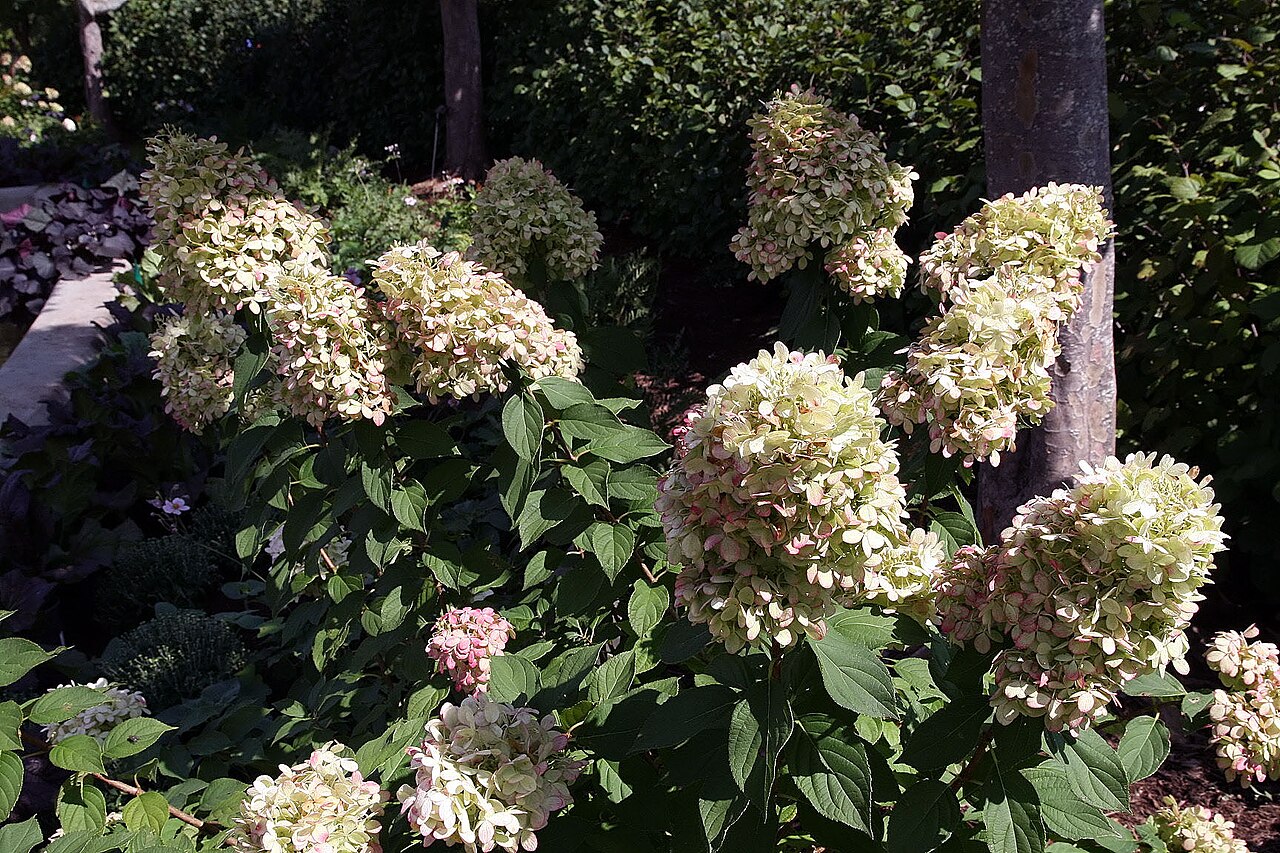
Limelight Hydrangea Tree
Hydrangea paniculata 'Limelight' (tree form)
Full sun to part shade · 6–8 ft tall
The familiar Limelight hydrangea trained on a single trunk, with a rounded canopy of lime-green blooms that fade to cream and pink. A compact focal point for entry gardens; prune the crown in late winter to keep its shape.
Limelight flower reference; the tree form is trained on a single trunk.Photo: Photo by David J. Stang · CC BY-SA 4.0
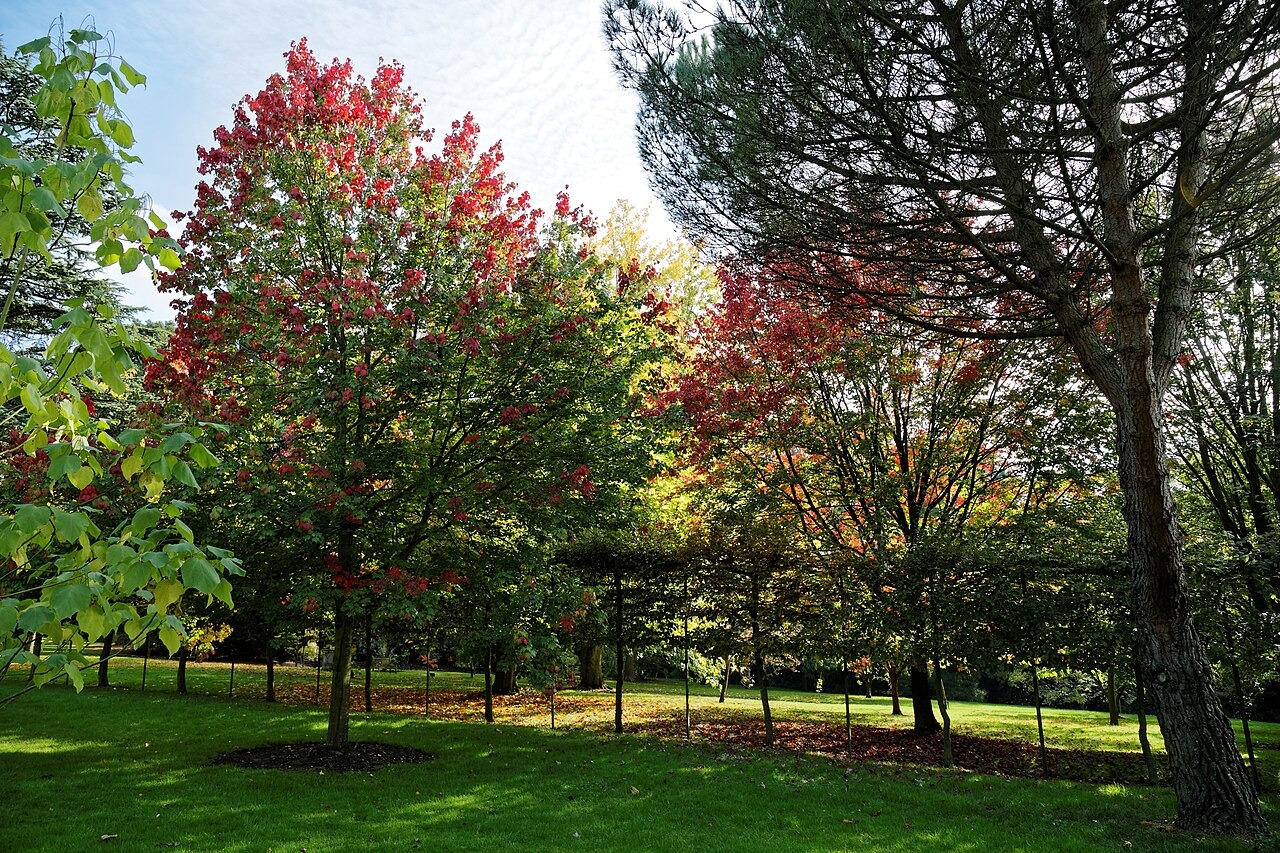
Red Maple
Acer rubrum
Full sun to part shade · 40–60 ft tall
A New England native with brilliant red fall color. Tolerates wet soils, making it a reliable shade tree for larger yards and street plantings.
October Glory cultivar shown.Photo: Acabashi · CC BY-SA 4.0
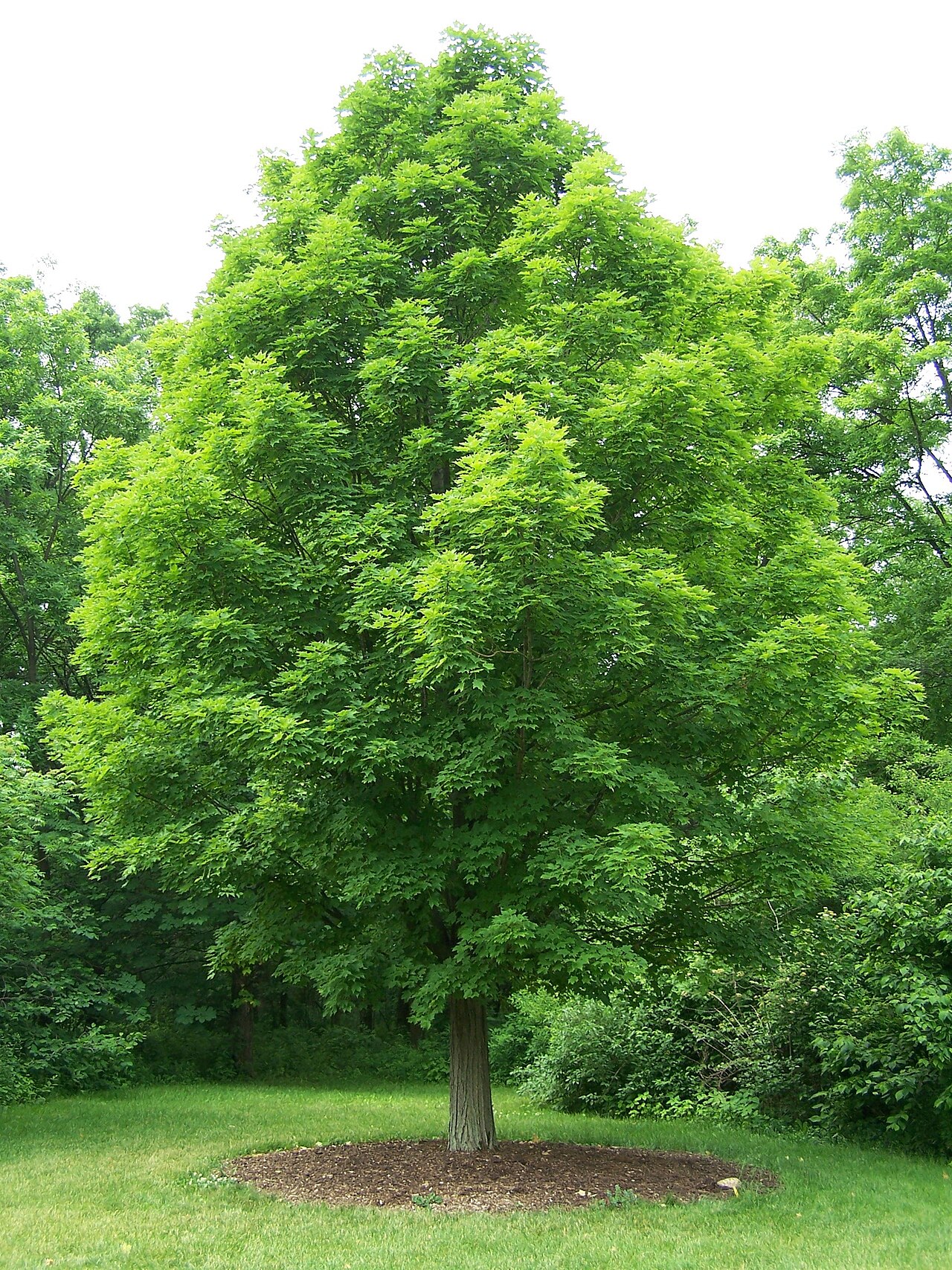
Sugar Maple
Acer saccharum
Full sun to part shade · 60–75 ft tall
The classic New England shade tree — dense summer canopy and fiery orange fall foliage. Slow growing but exceptionally long-lived.
Photo: Bruce Marlin · CC BY-SA 2.5
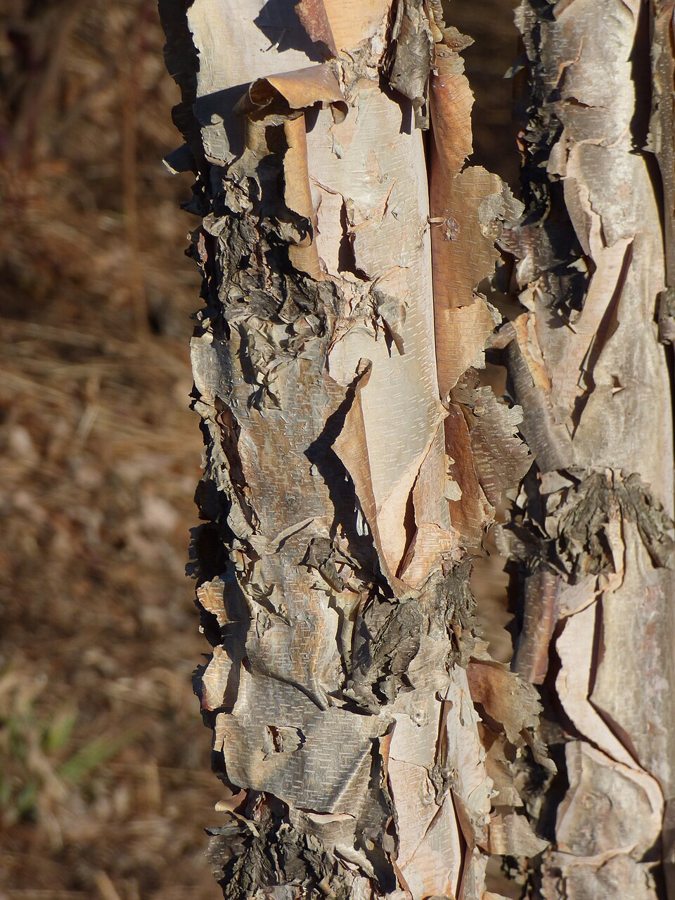
River Birch
Betula nigra
Full sun · 40–70 ft tall
Multi-stemmed tree with peeling cinnamon bark that shines in winter. Handles wet ground and resists the borers that trouble white birches.
Photo: Greg Hume · CC BY-SA 4.0
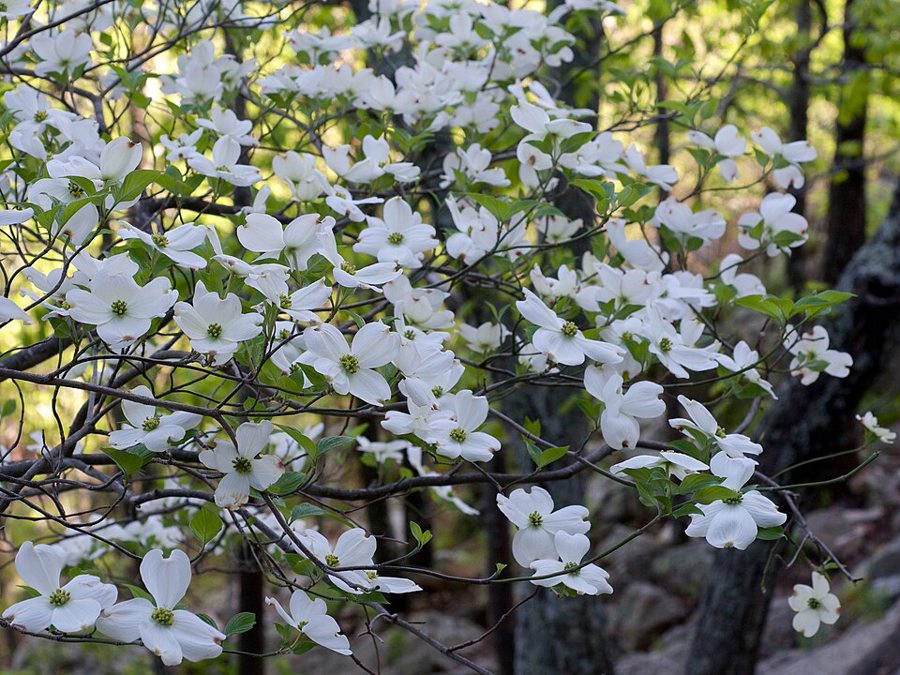
Flowering Dogwood
Cornus florida
Part shade · 20–30 ft tall
Spring white or pink bracts, red berries, and wine-red fall color. An understory native that fits beautifully at the edge of mature trees.
Photo: Eric Hunt · CC BY-SA 4.0
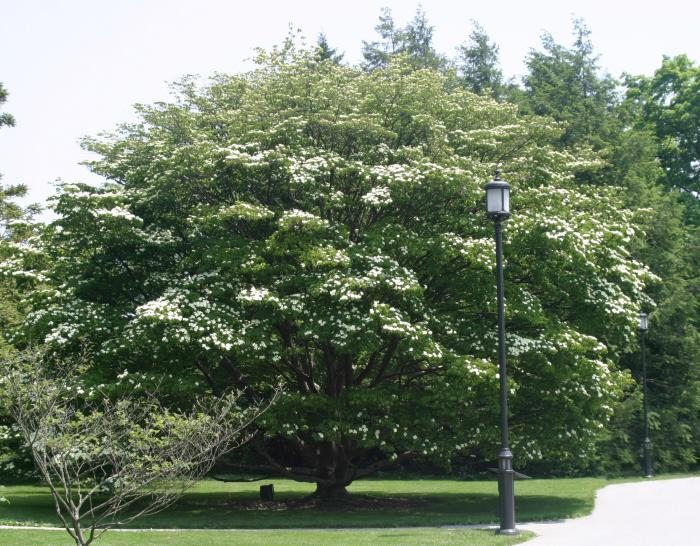
Kousa Dogwood
Cornus kousa
Full sun to part shade · 15–25 ft tall
Blooms later than the native dogwood with pointed white stars, followed by raspberry-like fruit and exfoliating patchwork bark.
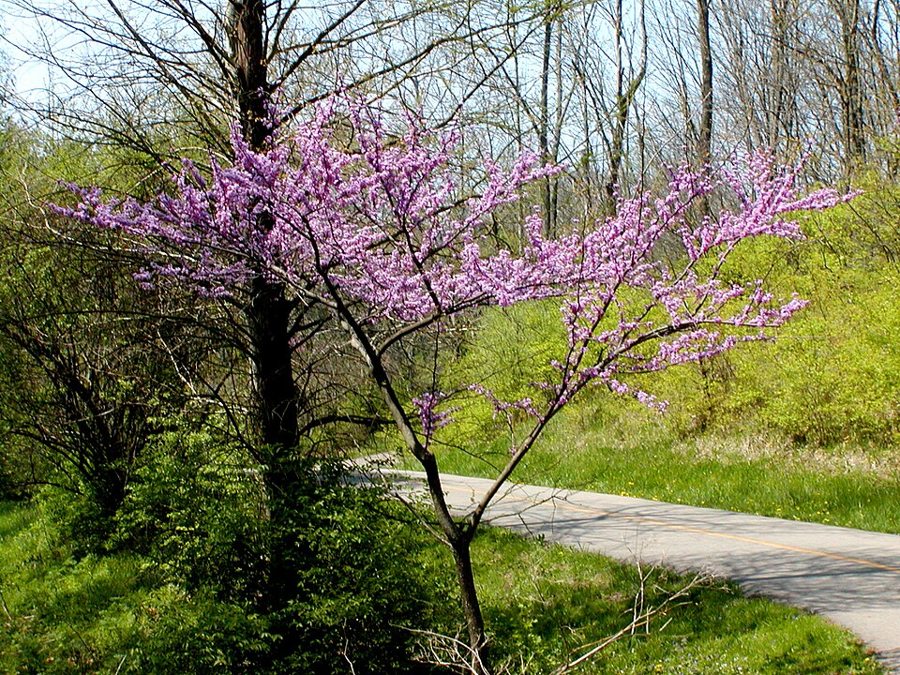
Eastern Redbud
Cercis canadensis
Full sun to part shade · 20–30 ft tall
Tiny pink-purple flowers cover the bare branches in early spring. Heart-shaped leaves follow, turning soft yellow in fall.
Photo: Greg Hume · CC BY-SA 3.0
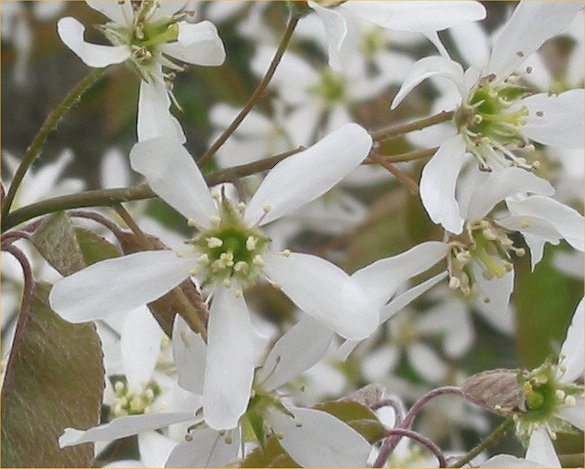
Serviceberry
Amelanchier canadensis
Full sun to part shade · 15–25 ft tall
Four-season native: white spring flowers, June berries the birds love, clear fall color, and smooth gray bark. Ideal for wet edges.
Photo: Rasbak · CC BY-SA 3.0
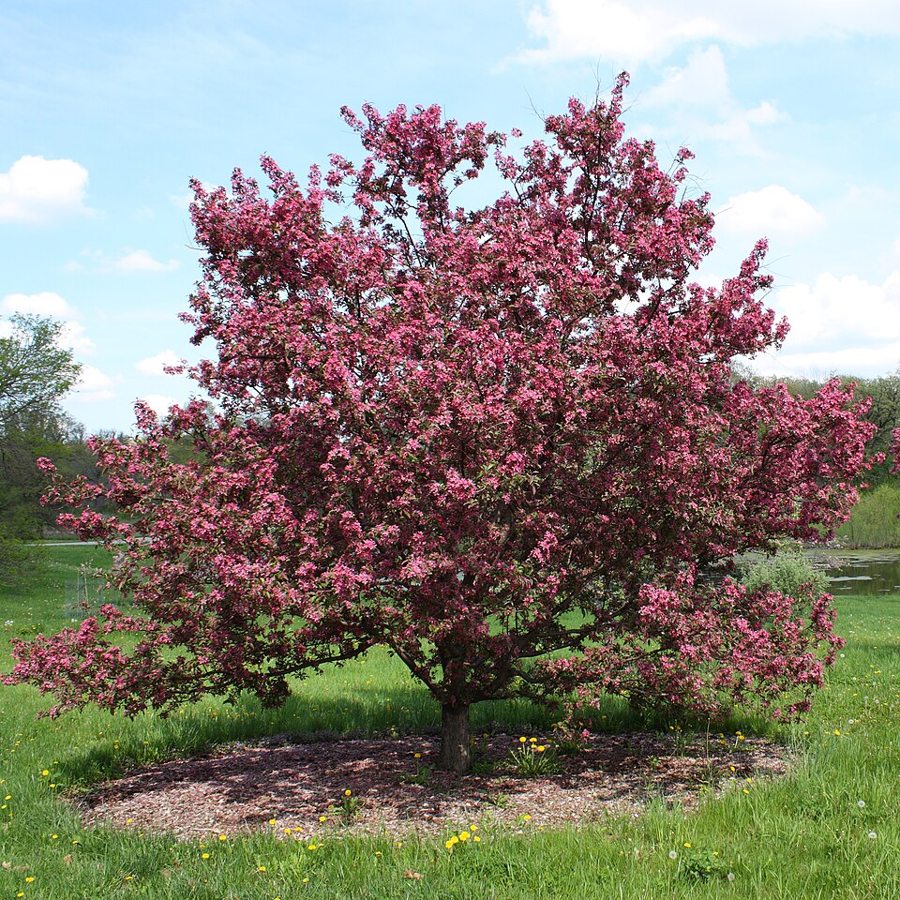
Crabapple
Malus spp.
Full sun · 15–25 ft tall
A spring highlight with buds in pink and white, small persistent fruit for winter interest, and excellent disease resistance in modern varieties.
Photo: Bruce Marlin · CC BY 3.0
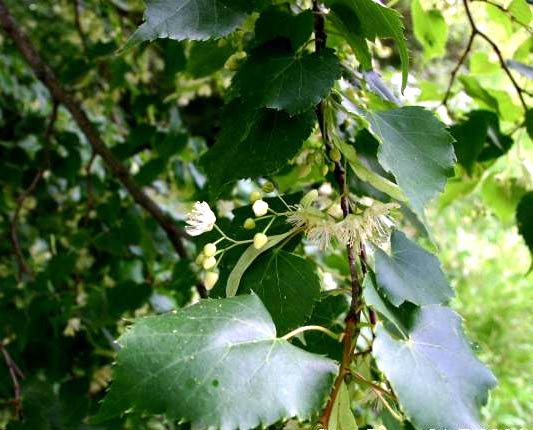
Littleleaf Linden
Tilia cordata
Full sun · 50–60 ft tall
Neat, pyramidal shade tree with fragrant June flowers and heart-shaped leaves. Tolerates shearing, so it also works as a tall formal hedge.
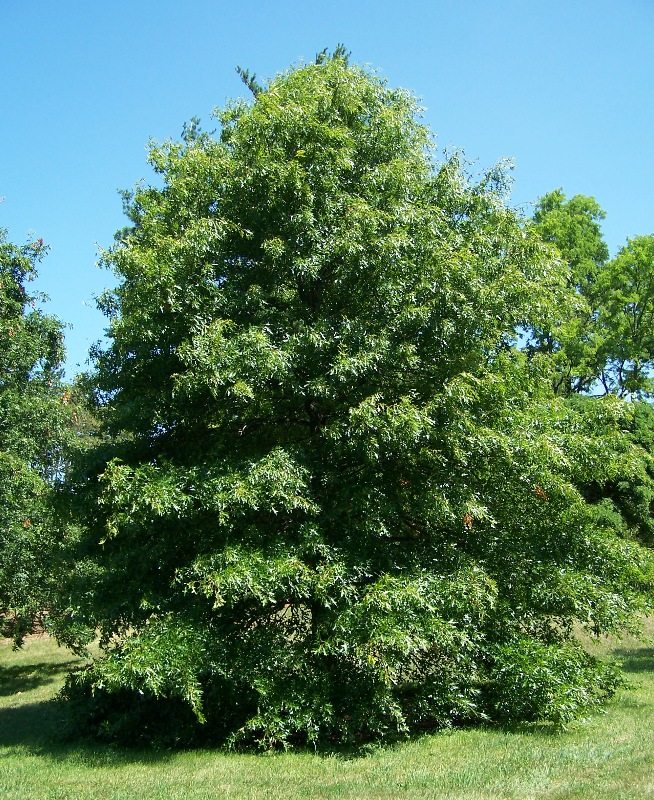
Pin Oak
Quercus palustris
Full sun · 60–70 ft tall
Fast-growing, narrowly pyramidal oak with deep-cut glossy leaves that turn russet-red and often hold through winter. Handles compacted soils.
Photo: Bruce Marlin · CC BY-SA 2.5
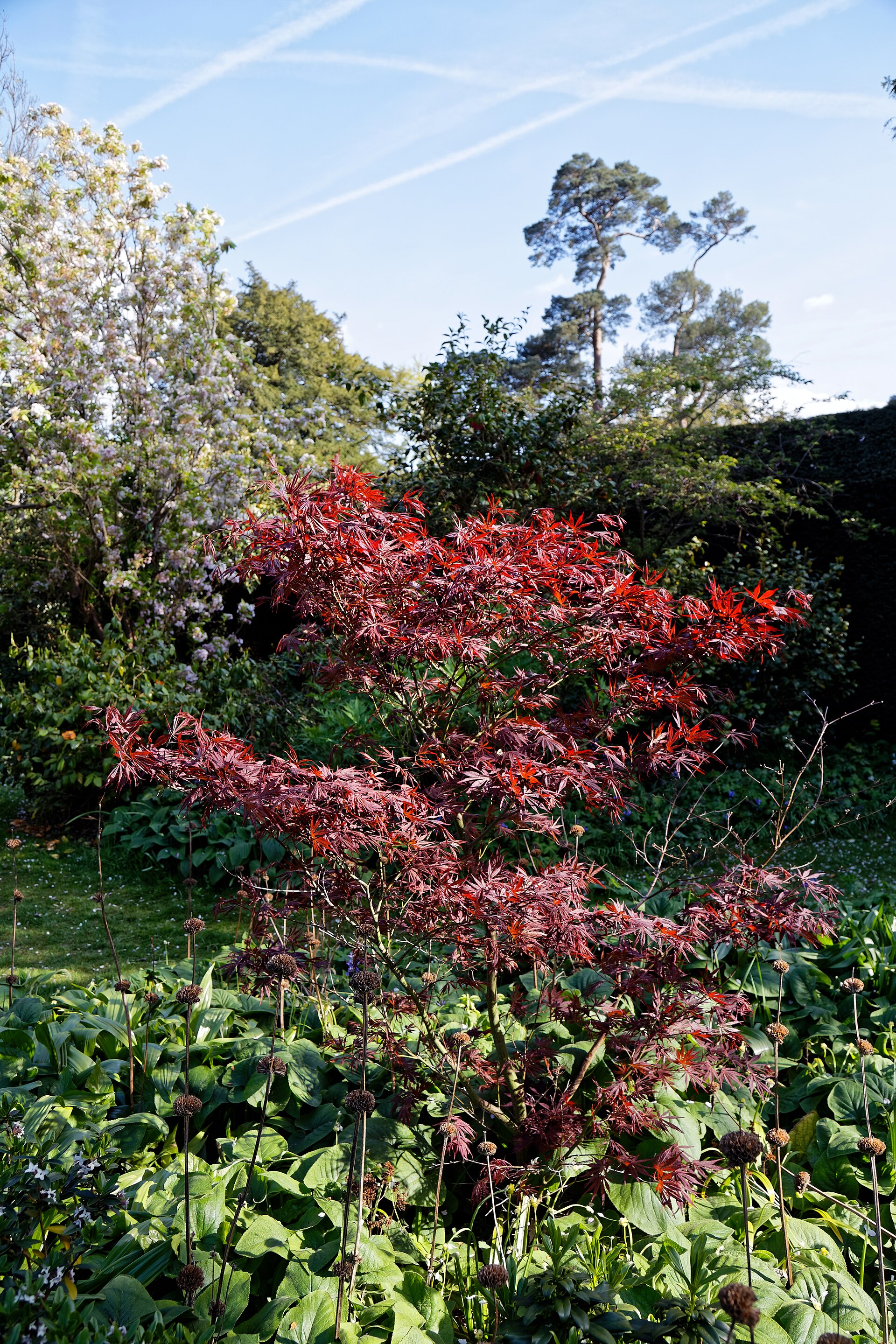
Japanese Maple
Acer palmatum
Part shade · 8–15 ft tall
Delicate layered branches and finely cut foliage in green or deep red. A specimen tree for protected entry gardens and courtyards.
Atropurpureum red-leaved selection shown.Photo: Acabashi · CC BY-SA 4.0
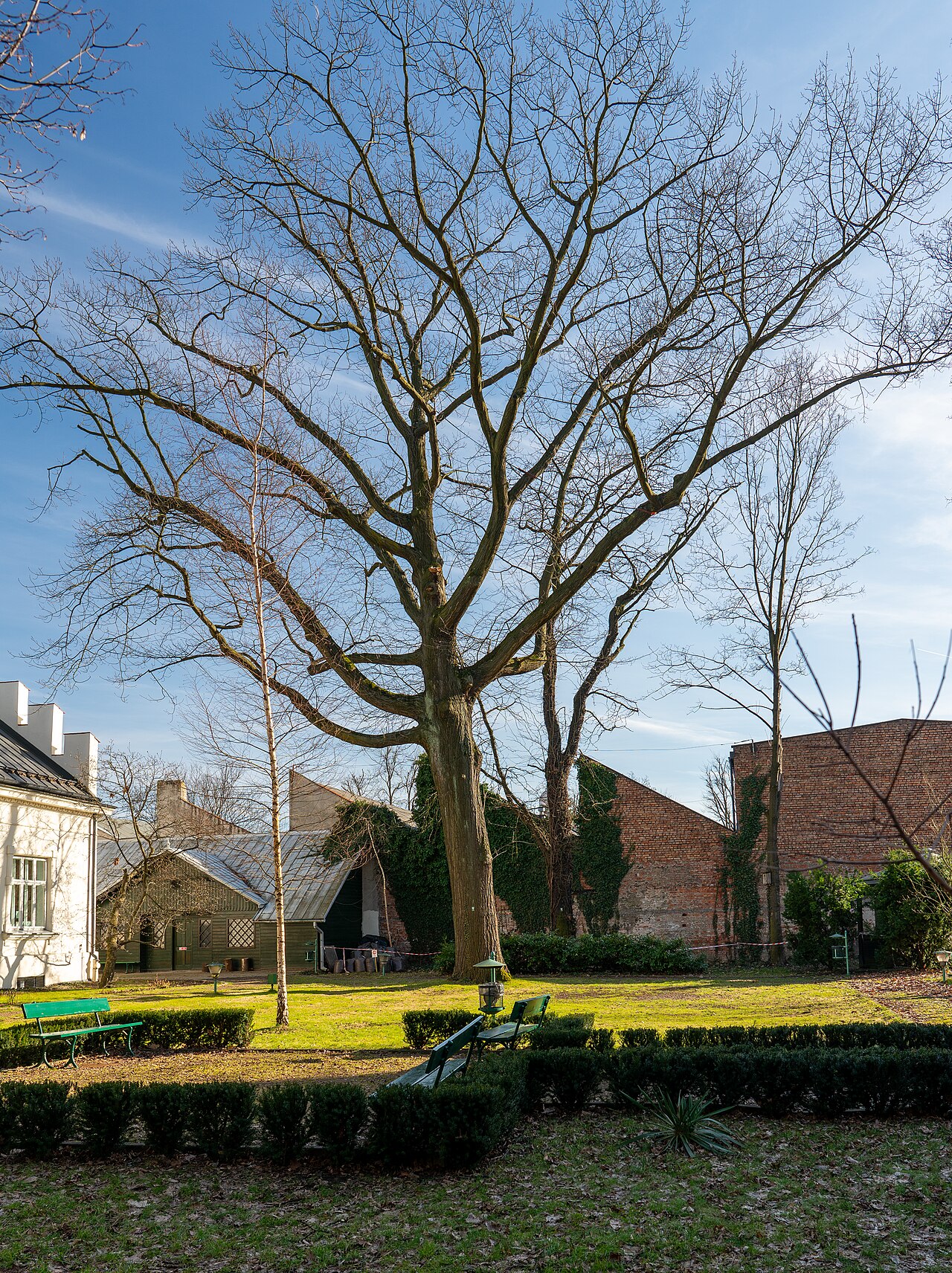
Northern Red Oak
Quercus rubra
Full sun · 50–75 ft tall
A familiar New England native with a broad shade canopy and russet-red autumn leaves. Give it plenty of room; its acorns support birds and other wildlife.
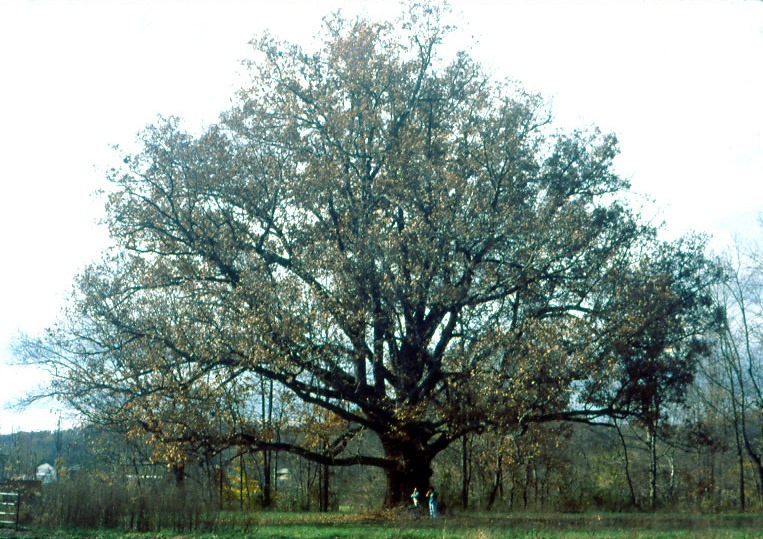
White Oak
Quercus alba
Full sun · 50–80 ft tall
A long-lived native with a wide, rounded crown and soft burgundy fall color. A legacy shade tree for larger properties with well-drained soil and room for its spreading branches.
Photo: en:User:Jaknouse · CC BY-SA 3.0
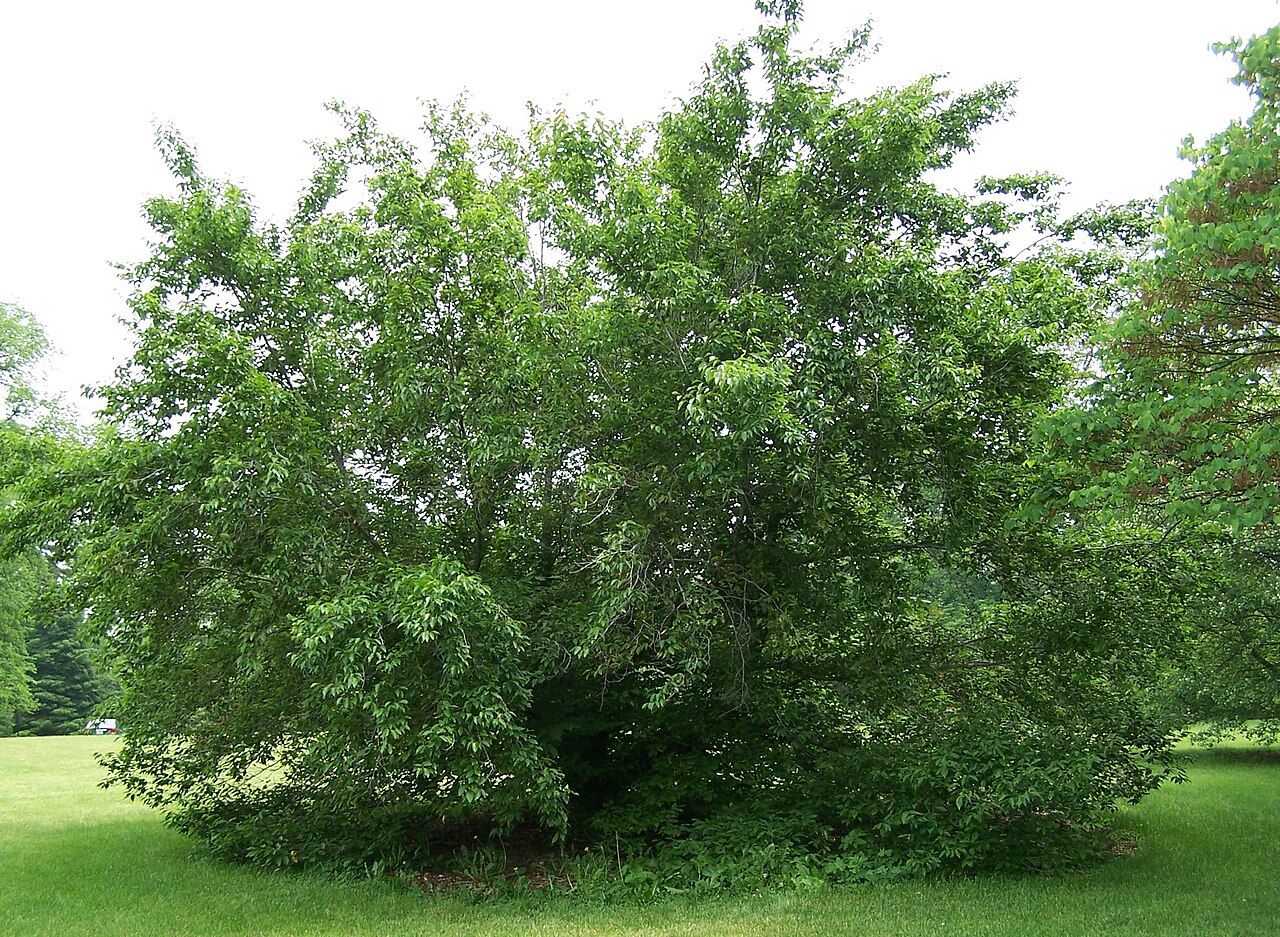
American Beech
Fagus grandifolia
Full sun to part shade · 50–80 ft tall
Smooth gray bark and a dense canopy make this native a striking woodland specimen. Best in spacious, undisturbed sites; monitor for beech leaf disease, which is a concern across New England.
Photo: Bruce Marlin · CC BY-SA 2.5
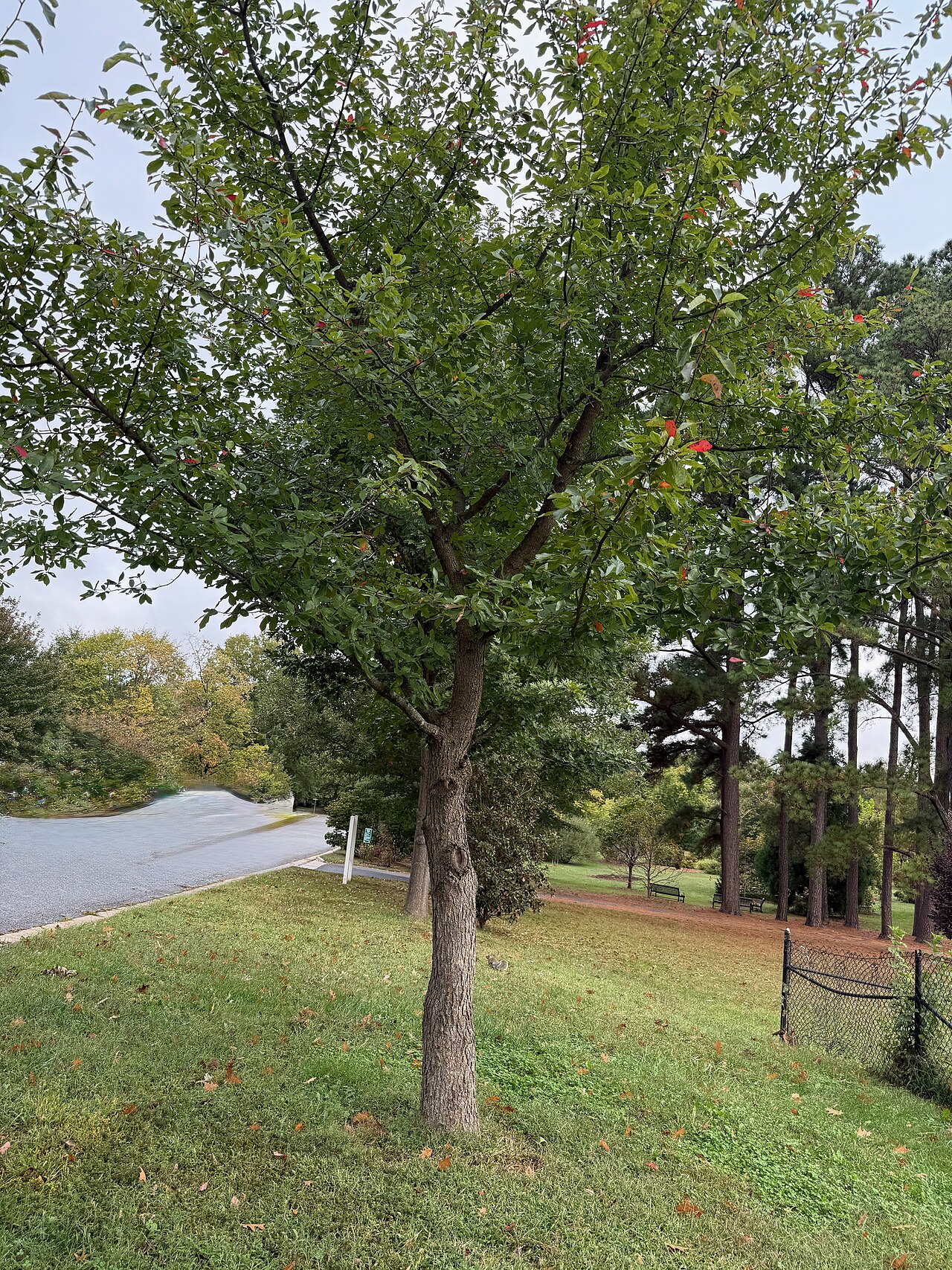
Black Tupelo
Nyssa sylvatica
Full sun to part shade · 30–50 ft tall
Also called black gum, this native offers glossy summer foliage and spectacular scarlet fall color. Small fruits feed birds; it prefers acidic soil and is a beautiful alternative to a maple.
Photo: Cossey25 · CC BY-SA 4.0
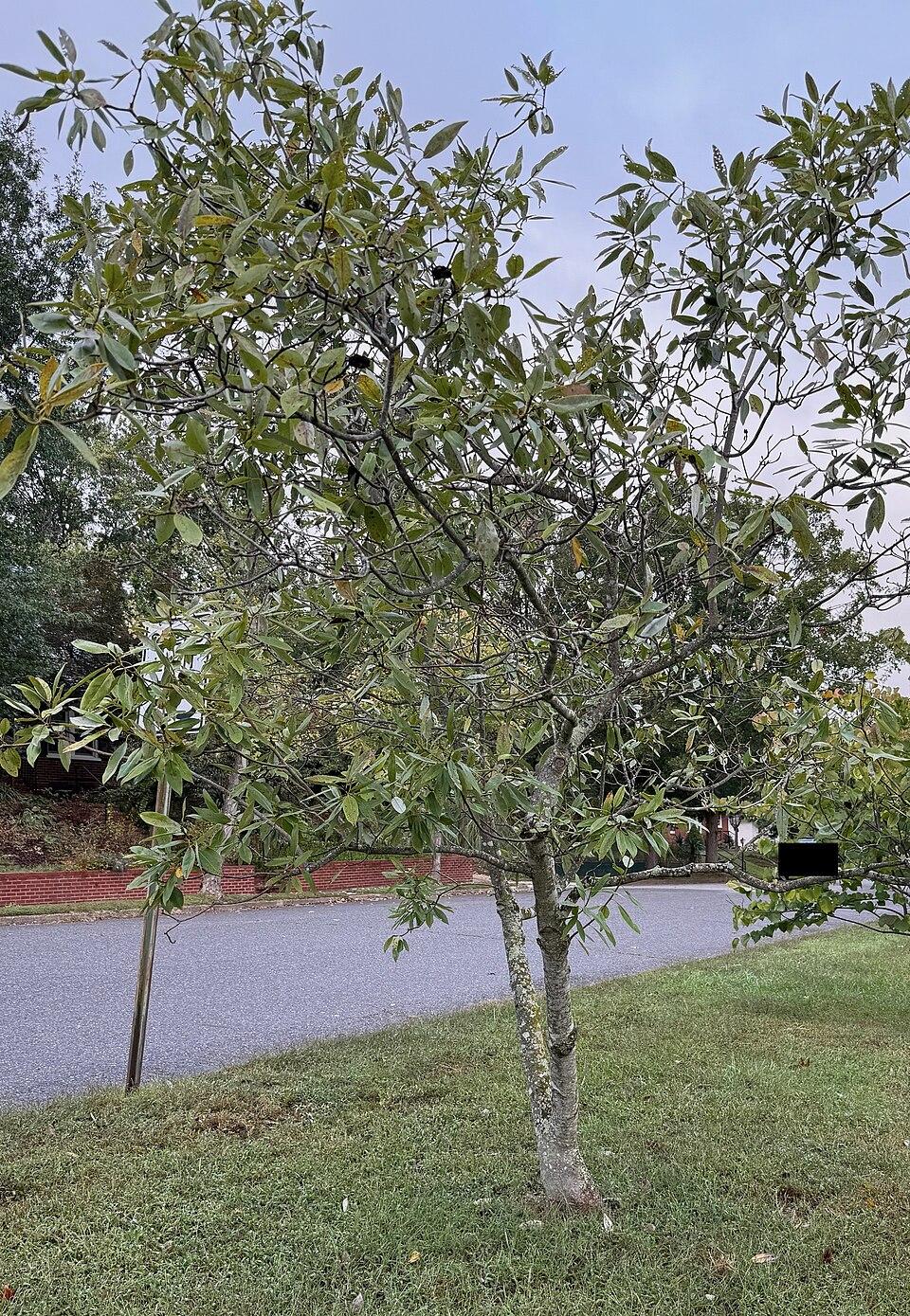
Sweetbay Magnolia
Magnolia virginiana
Full sun to part shade · 10–20 ft tall in New England
Fragrant creamy-white flowers and silver-backed leaves brighten moist garden edges. Choose a cold-hardy selection for zone 6; foliage is generally deciduous in New England.
Photo: Cossey25 · CC BY-SA 4.0
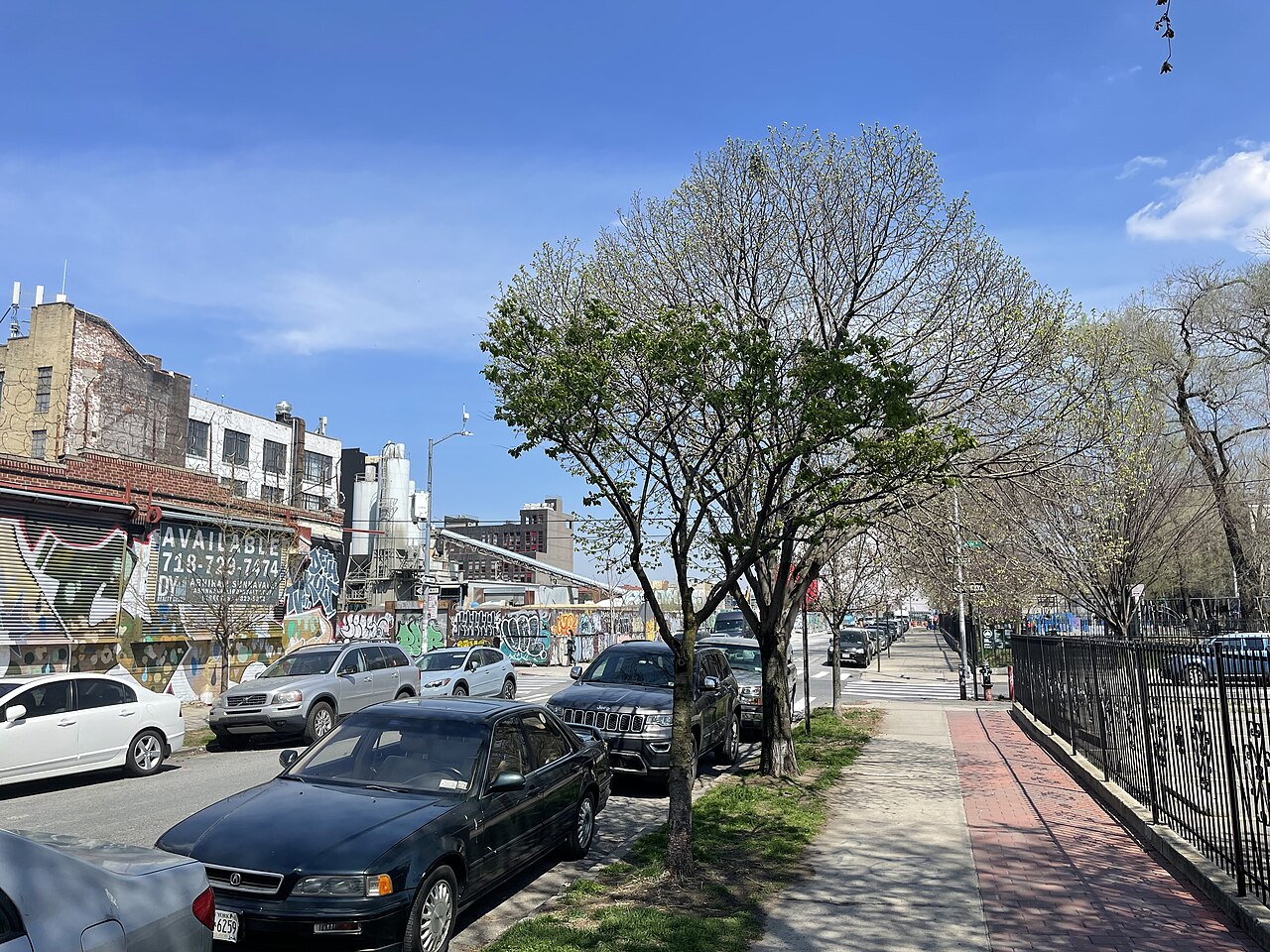
Japanese Tree Lilac
Syringa reticulata
Full sun · 20–30 ft tall
Creamy-white flower clusters arrive in early summer, after common lilacs have finished. A hardy small tree with attractive bark for sunny entry gardens and street-side plantings with well-drained soil.
Photo: Wil540 art · CC BY-SA 4.0
Shrubs
The backbone of a planting bed — flowering, screening, and foundation shrubs that hold the garden together year-round.
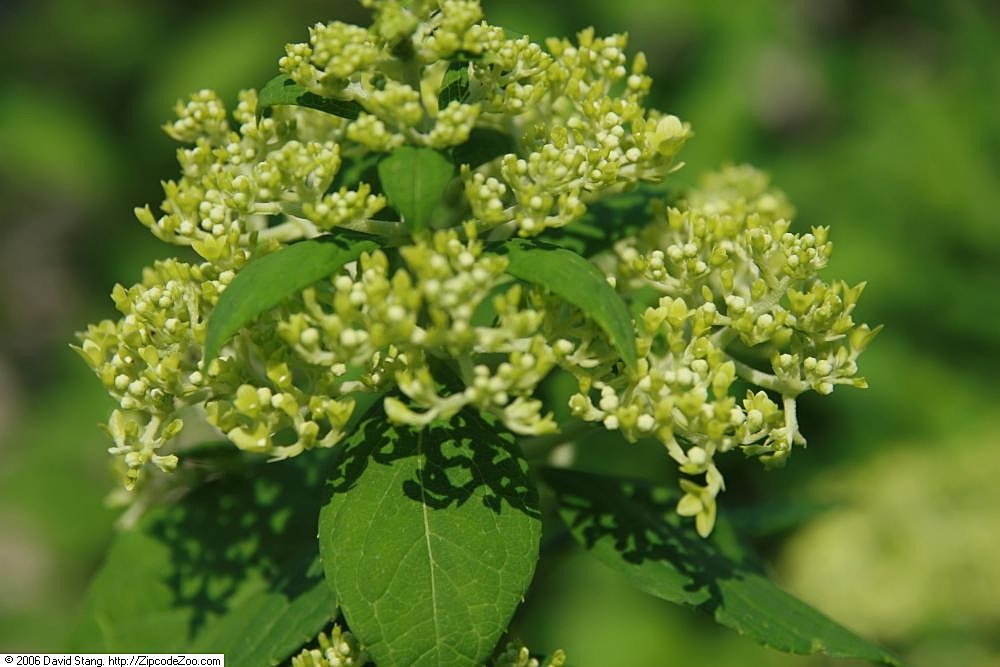
Limelight Hydrangea
Hydrangea paniculata 'Limelight'
Full sun to part shade · 6–8 ft tall
Cone-shaped blooms open chartreuse and age to pink in fall. Blooms on new wood, so it flowers reliably every year — a client favorite.
Photo: Photo by David J. Stang · CC BY-SA 4.0
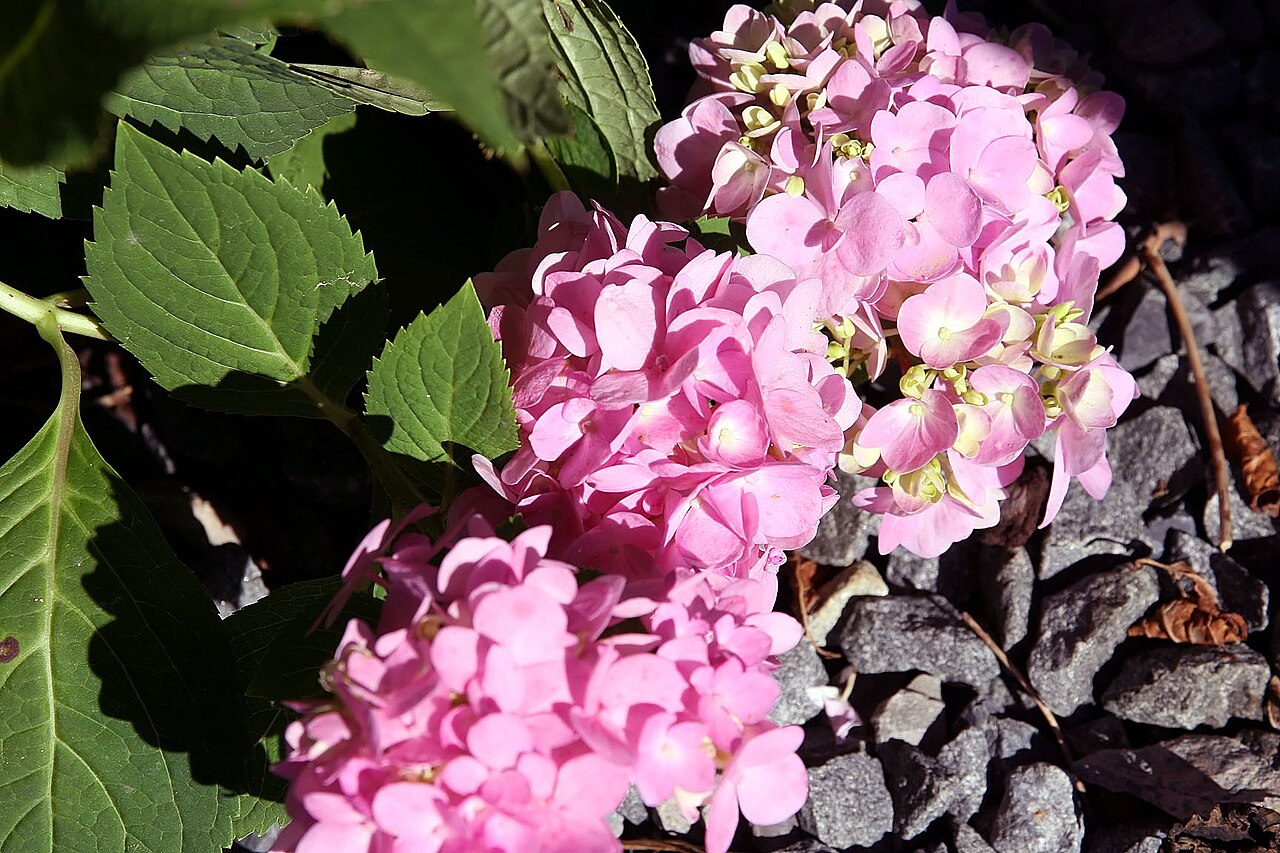
Endless Summer Hydrangea
Hydrangea macrophylla 'Bailmer'
Morning sun to part shade · 3–5 ft tall
The Original Endless Summer bears rounded blue or pink flowers on both old and new wood. Flower color depends on soil chemistry; give it afternoon shade, steady moisture, and winter protection for the buds.
Photo: Photo by David J. Stang · CC BY-SA 4.0
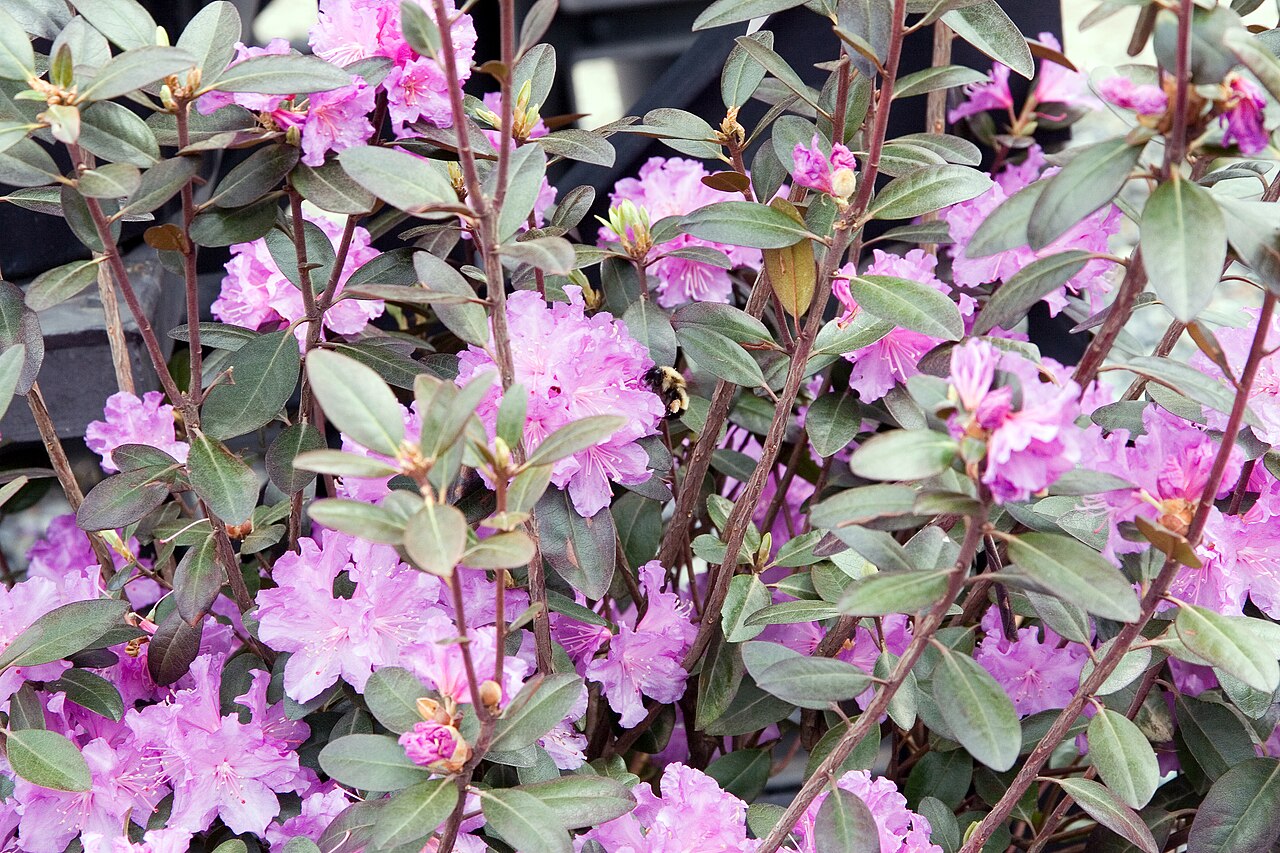
PJM Rhododendron
Rhododendron PJM Group
Part shade · 3–6 ft tall
A cold-hardy New England favorite with lavender-pink spring flowers and small evergreen leaves that turn bronze-purple in winter. Plant in acidic, well-drained soil out of drying winter winds.
Photo: Photo by David J. Stang · CC BY-SA 4.0
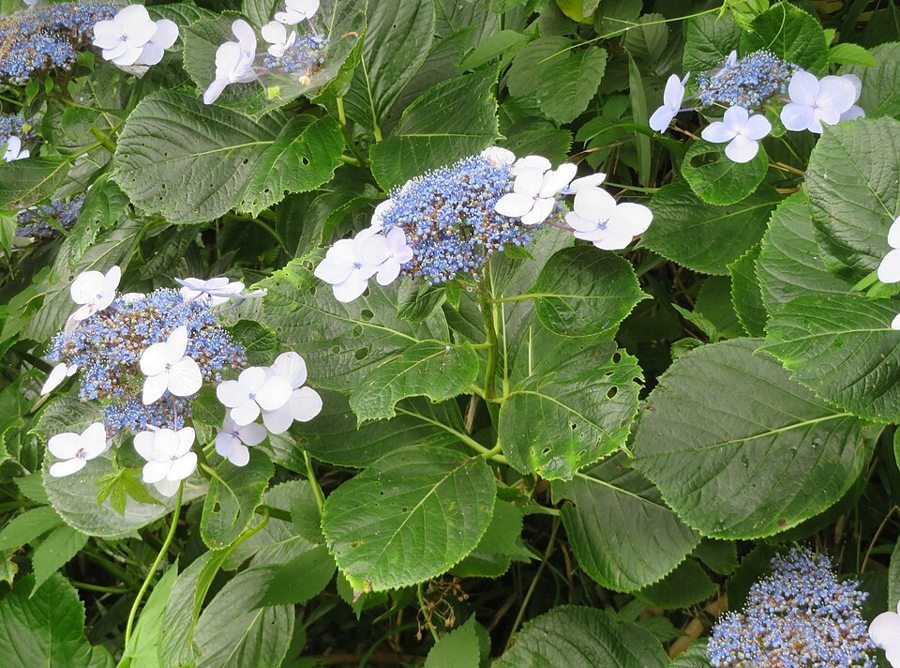
Bigleaf Hydrangea
Hydrangea macrophylla
Part shade · 3–5 ft tall
The classic mophead — blue in acidic soil, pink in alkaline. Plant on the north or east side of the house and mulch well for winter.
Photo: belvedere04 · CC BY 4.0
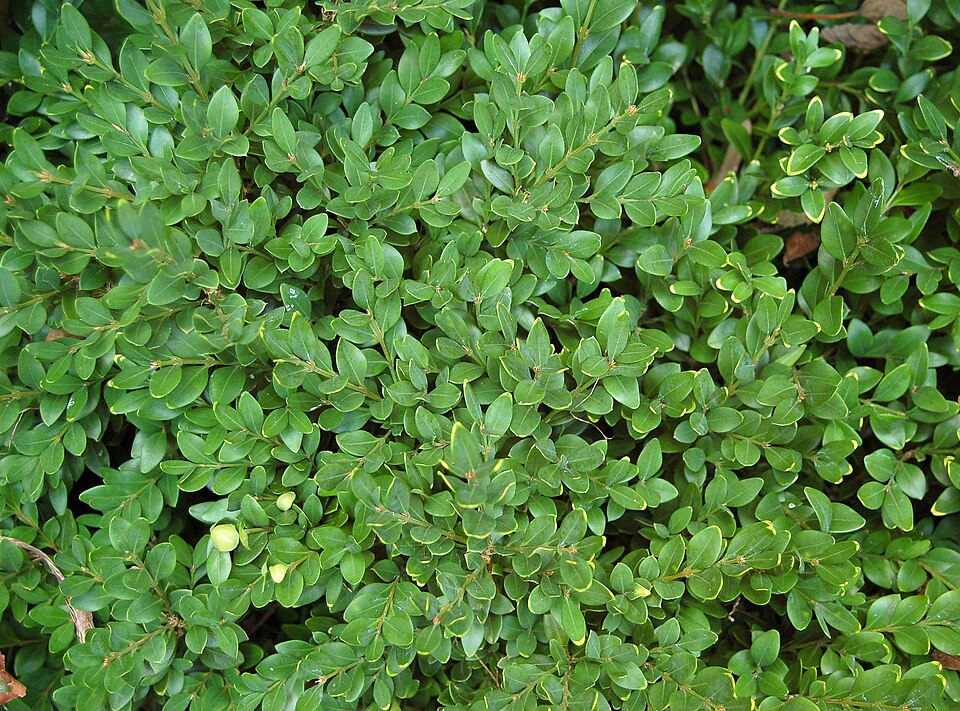
Green Velvet Boxwood
Buxus 'Green Velvet'
Full sun to part shade · 3–4 ft tall
A naturally rounded, rich green boxwood that holds its color through winter. The backbone shrub for formal edges and entry plantings.
Photo: Photo by and (c)2006 Derek Ramsey ( Ram-Man ). Location credit to the Chanticleer Garden. · CC BY-SA 3.0
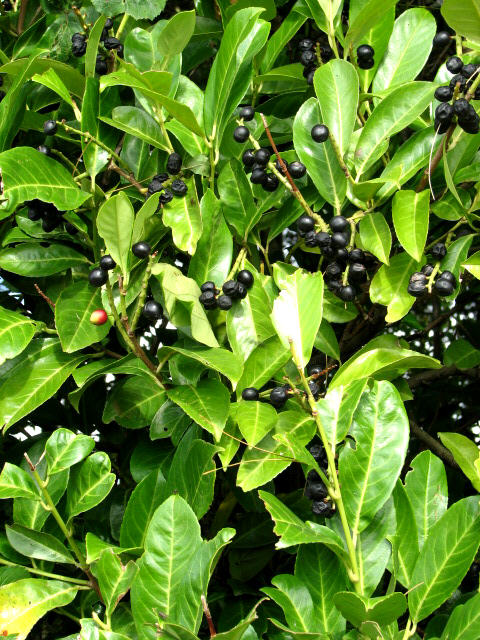
Inkberry
Ilex glabra
Full sun to part shade · 4–6 ft tall
A native evergreen holly with small, glossy leaves — our go-to boxwood alternative where winterburn or deer pressure is a concern.
Photo: Evelyn Simak · CC BY-SA 2.0
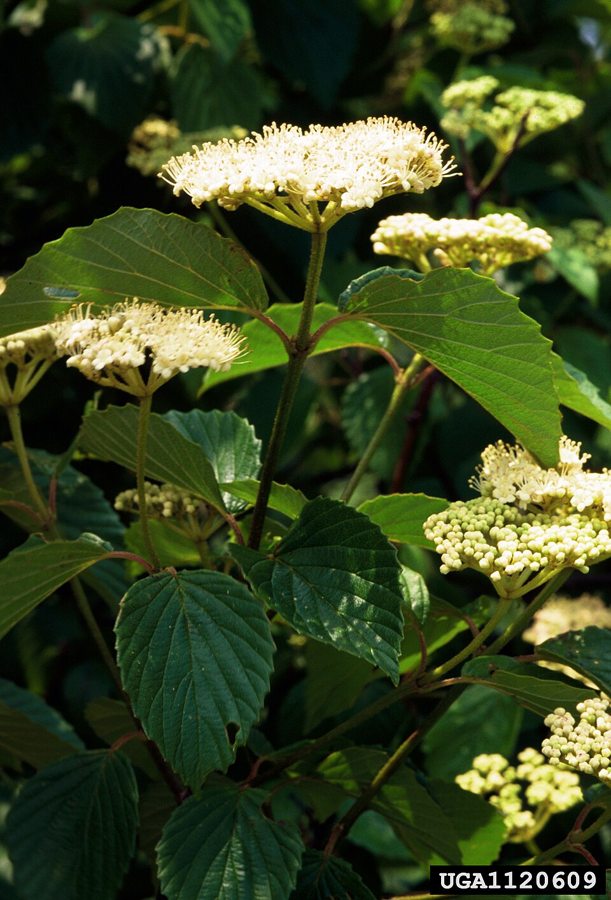
Arrowwood Viburnum
Viburnum dentatum
Full sun to part shade · 6–10 ft tall
Native workhorse with white June flowers, blue-black fruit, and burgundy fall color. Tough enough for hedge rows and screening.
Photo: Ted Bodner, Southern Weed Science Society/James H. Miller, USDA Forest Service · CC BY 3.0 us
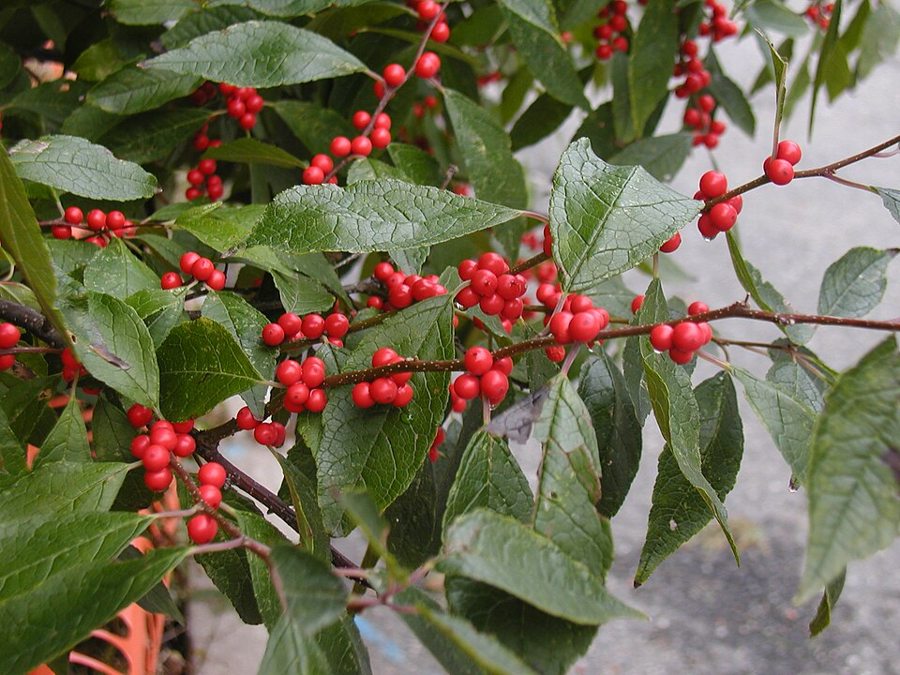
Winterberry
Ilex verticillata
Full sun to part shade · 6–10 ft tall
Drops its leaves to reveal branches loaded with red berries — the brightest thing in the winter landscape. Needs one male plant to fruit.
Photo: User:SB_Johnny · CC BY-SA 3.0
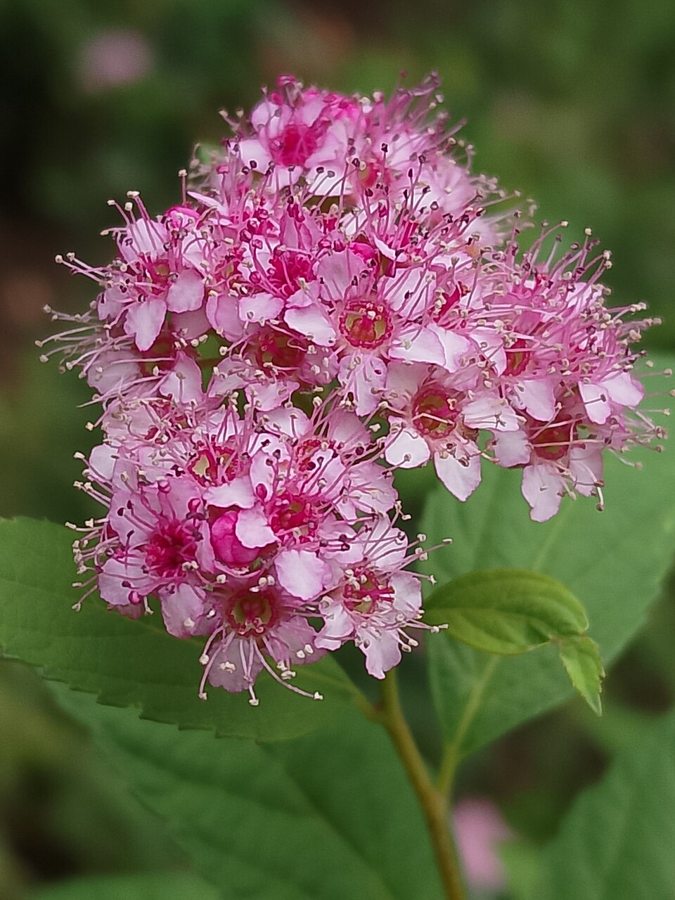
Goldmound Spirea
Spiraea japonica
Full sun · 2–3 ft tall
Compact mounded shrub with golden foliage and pink early-summer blooms. Tough, tidy, and easy to keep low along walkways.
Photo: TheNoob1337 · CC BY-SA 4.0
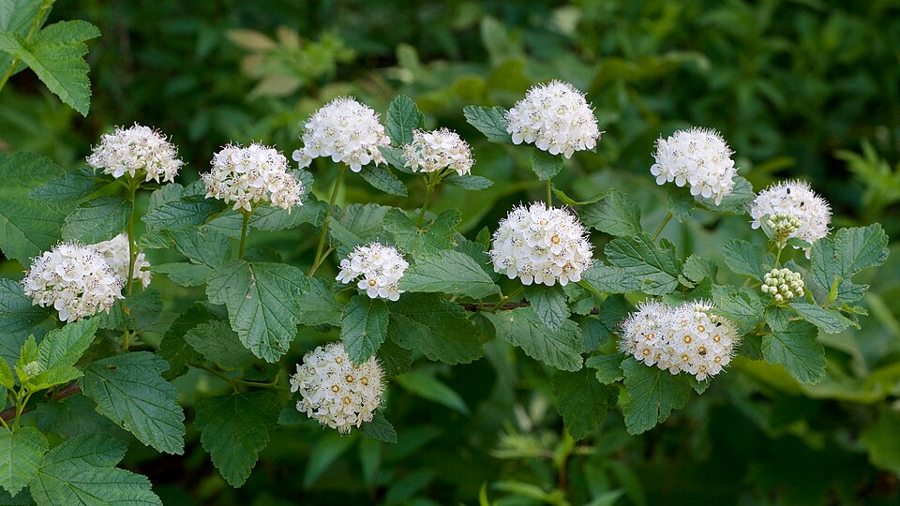
Ninebark
Physocarpus opulifolius
Full sun · 5–8 ft tall
Deep burgundy or golden foliage with arching branches and peeling bark. Nearly indestructible native for quick mass plantings.
Photo: Eric Hunt · CC BY-SA 4.0
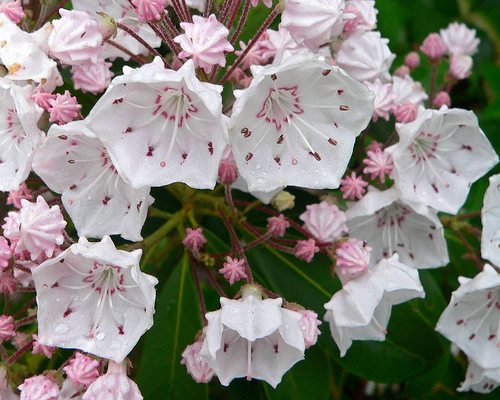
Mountain Laurel
Kalmia latifolia
Part shade · 5–10 ft tall
A native evergreen with intricate pink-and-white cupped blooms in early summer. Loves the same acidic, well-drained soil and sheltered conditions as rhododendrons.
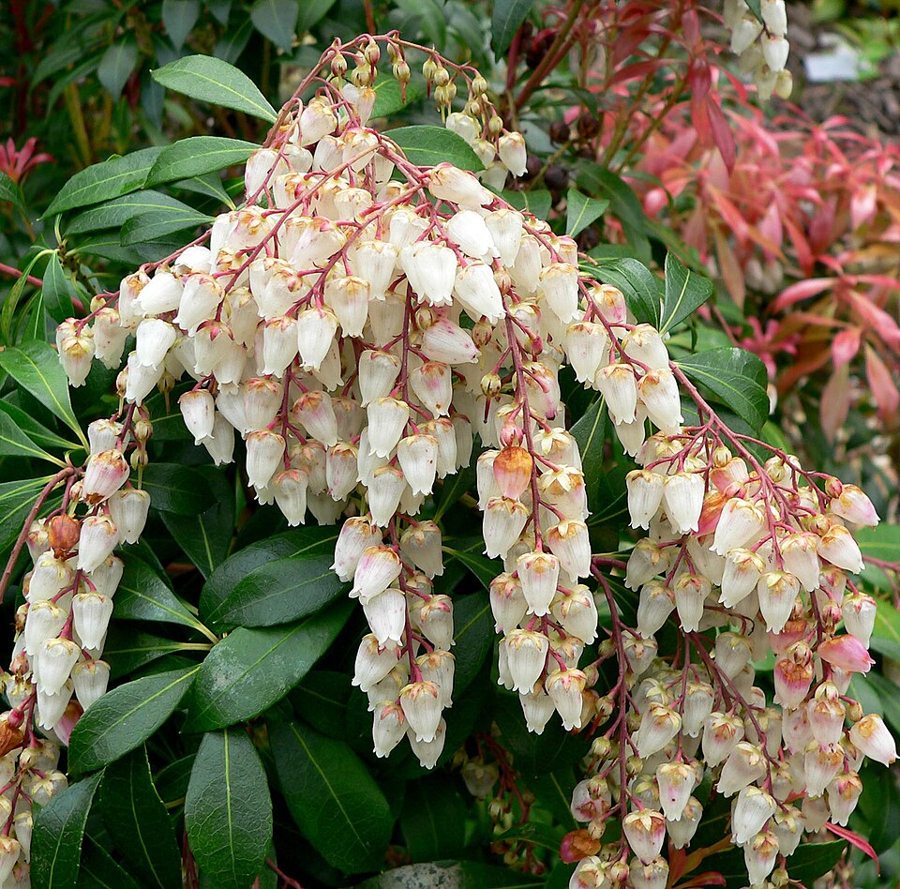
Japanese Andromeda
Pieris japonica
Part shade · 4–7 ft tall
Evergreen with chains of white bell flowers in early spring and red-tinted new growth. One of the first shrubs to bloom each year.
Photo: Stan Shebs · CC BY-SA 3.0
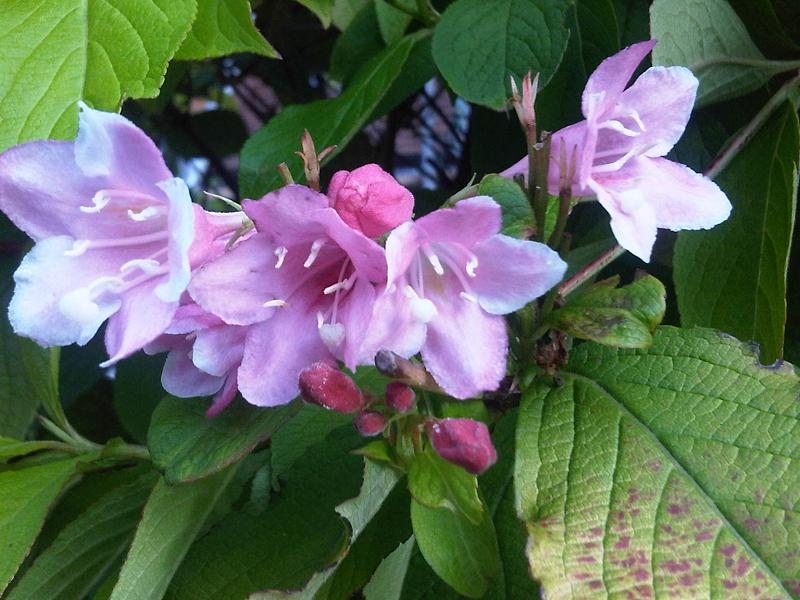
Wine & Roses Weigela
Weigela florida
Full sun · 4–5 ft tall
Rosy-pink trumpet flowers in late spring draw hummingbirds, set against dark burgundy foliage that holds all season.
Photo: Emőke Dénes · CC BY-SA 4.0
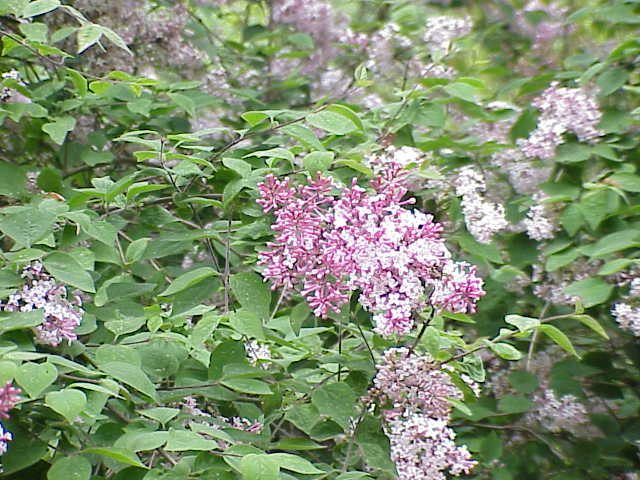
Dwarf Korean Lilac
Syringa meyeri 'Palibin'
Full sun · 4–5 ft tall
A compact, rounded lilac with sweet purple-pink blooms in late spring — all the fragrance of a lilac at half the size.
Photo: Kurt Stüber [1] · CC BY-SA 3.0
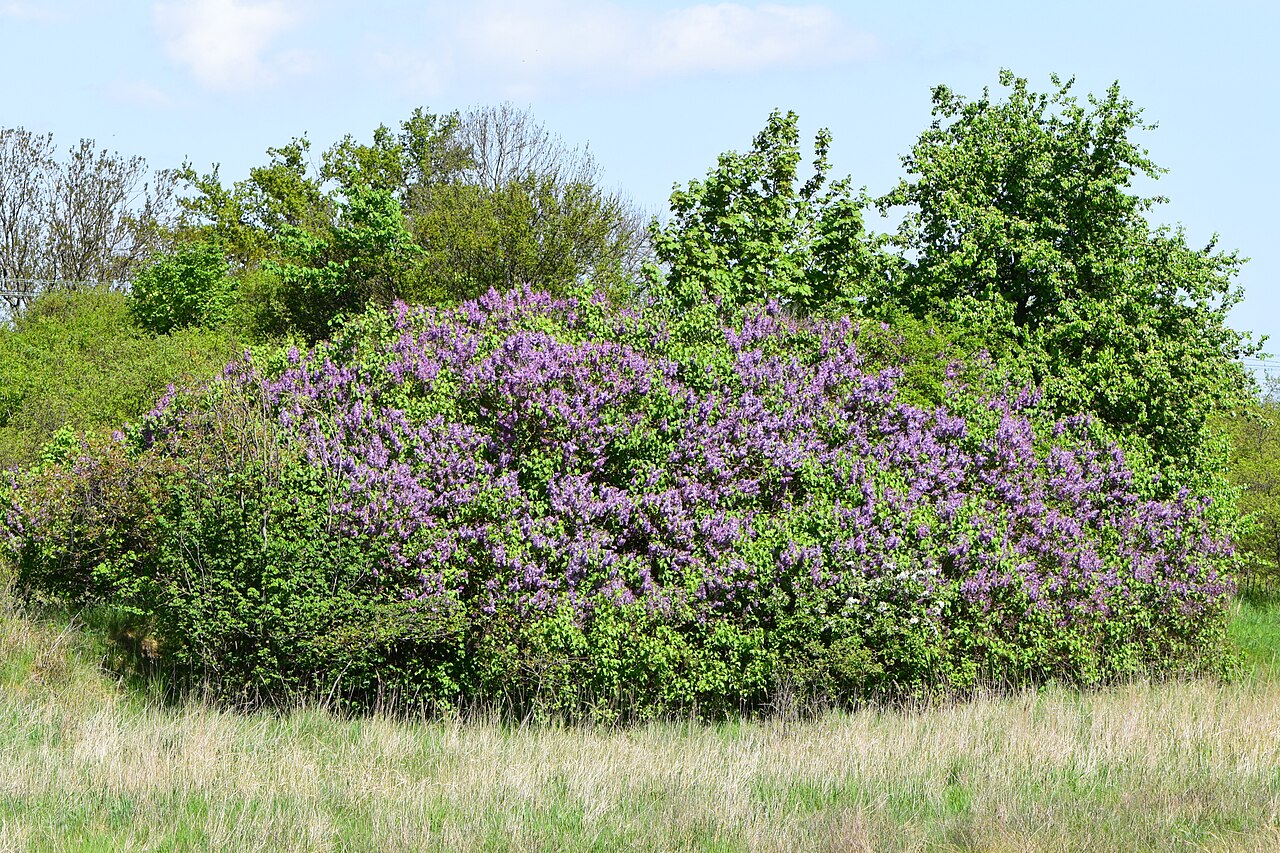
Common Lilac
Syringa vulgaris
Full sun · 8–15 ft tall
A classic New England shrub with fragrant purple, lavender, or white spring flowers. Give it room and good air circulation, and prune immediately after flowering to preserve next year's buds.
Photo: Krzysztof Ziarnek, Kenraiz · CC BY-SA 4.0
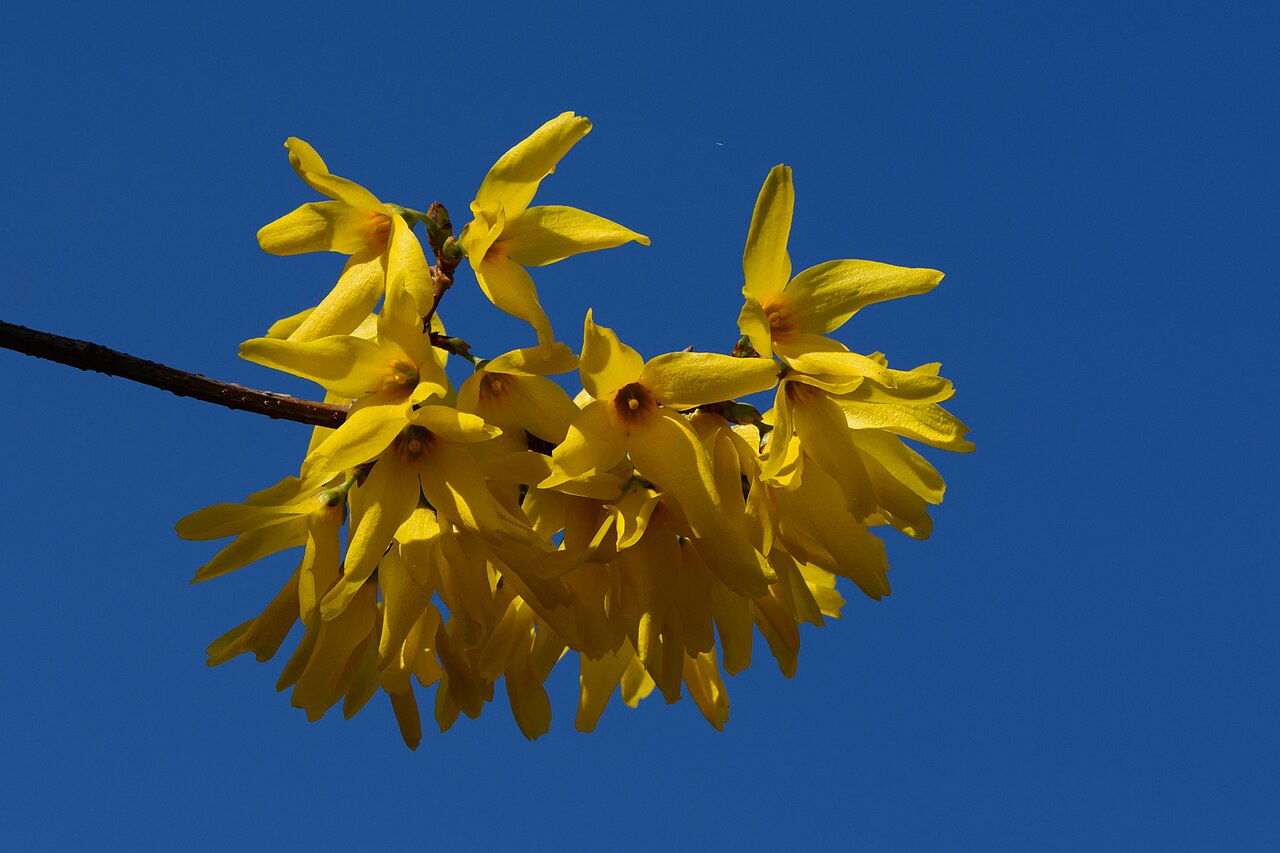
Forsythia
Forsythia × intermedia
Full sun to part shade · 6–10 ft tall
Bright yellow flowers cover arching branches before the leaves emerge in early spring. Choose a cold-hardy cultivar for reliable blooms and prune after flowering rather than shearing into a tight hedge.
Photo: Uoaei1 · CC BY-SA 3.0
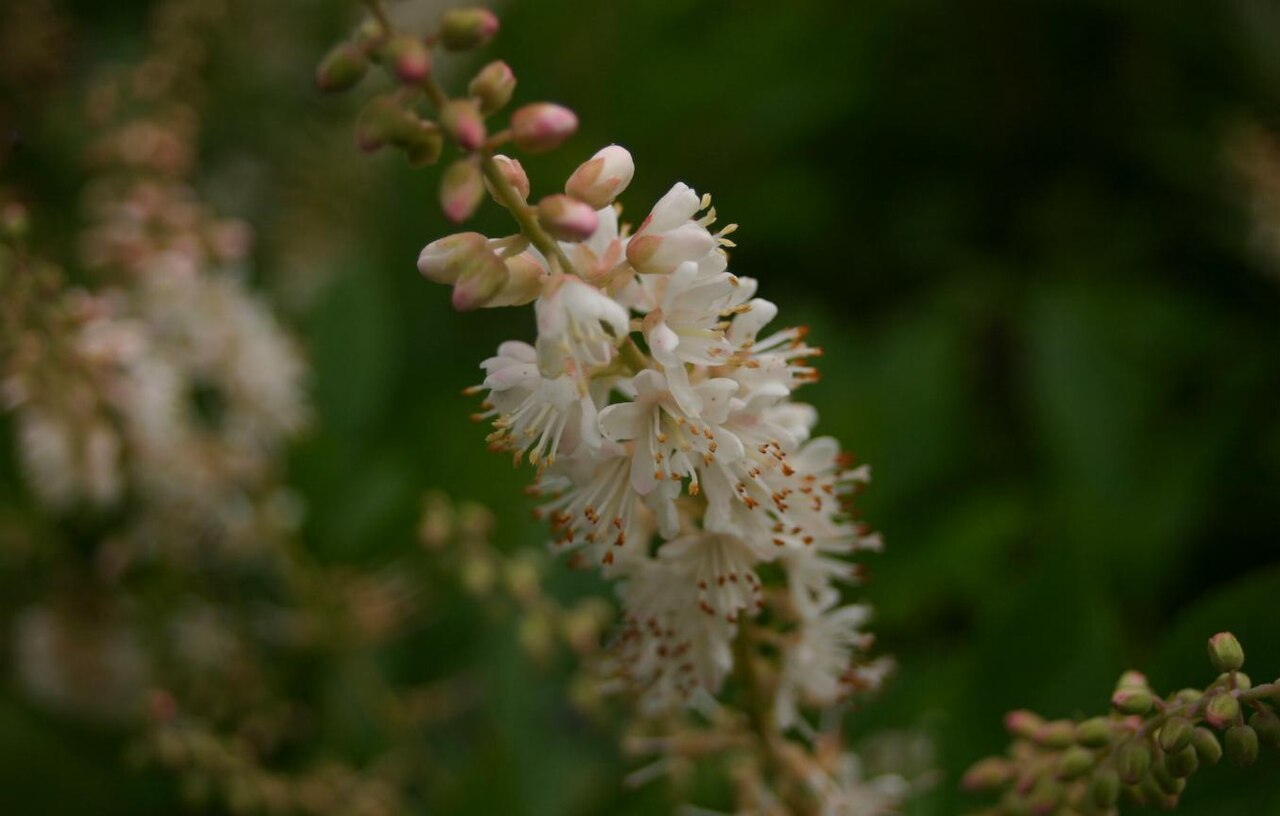
Summersweet
Clethra alnifolia
Full sun to part shade · 3–8 ft tall
A native shrub with fragrant white or pink flower spikes in midsummer, followed by yellow fall foliage. A strong choice for moist garden edges and pollinator plantings; compact cultivars fit smaller beds.
Photo: Sten Porse · CC BY-SA 3.0
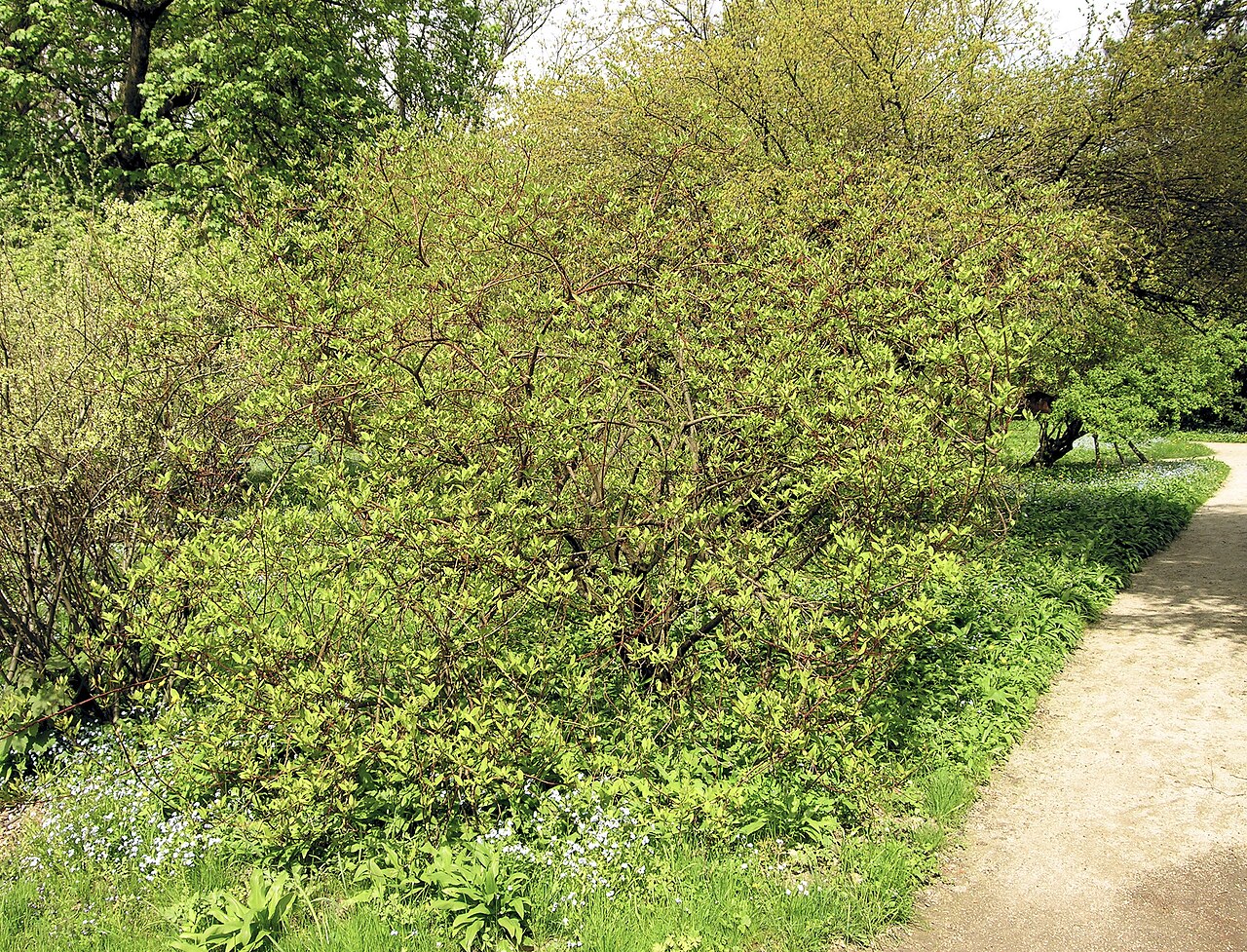
Red Twig Dogwood
Cornus sericea
Full sun to part shade · 6–9 ft tall
Native shrub prized for bright red stems against winter snow, with white spring flowers and berries for birds. Thrives in moist ground; remove some of the oldest stems in early spring for the strongest winter color.
Photo: Andrea Moro · CC BY-SA 4.0
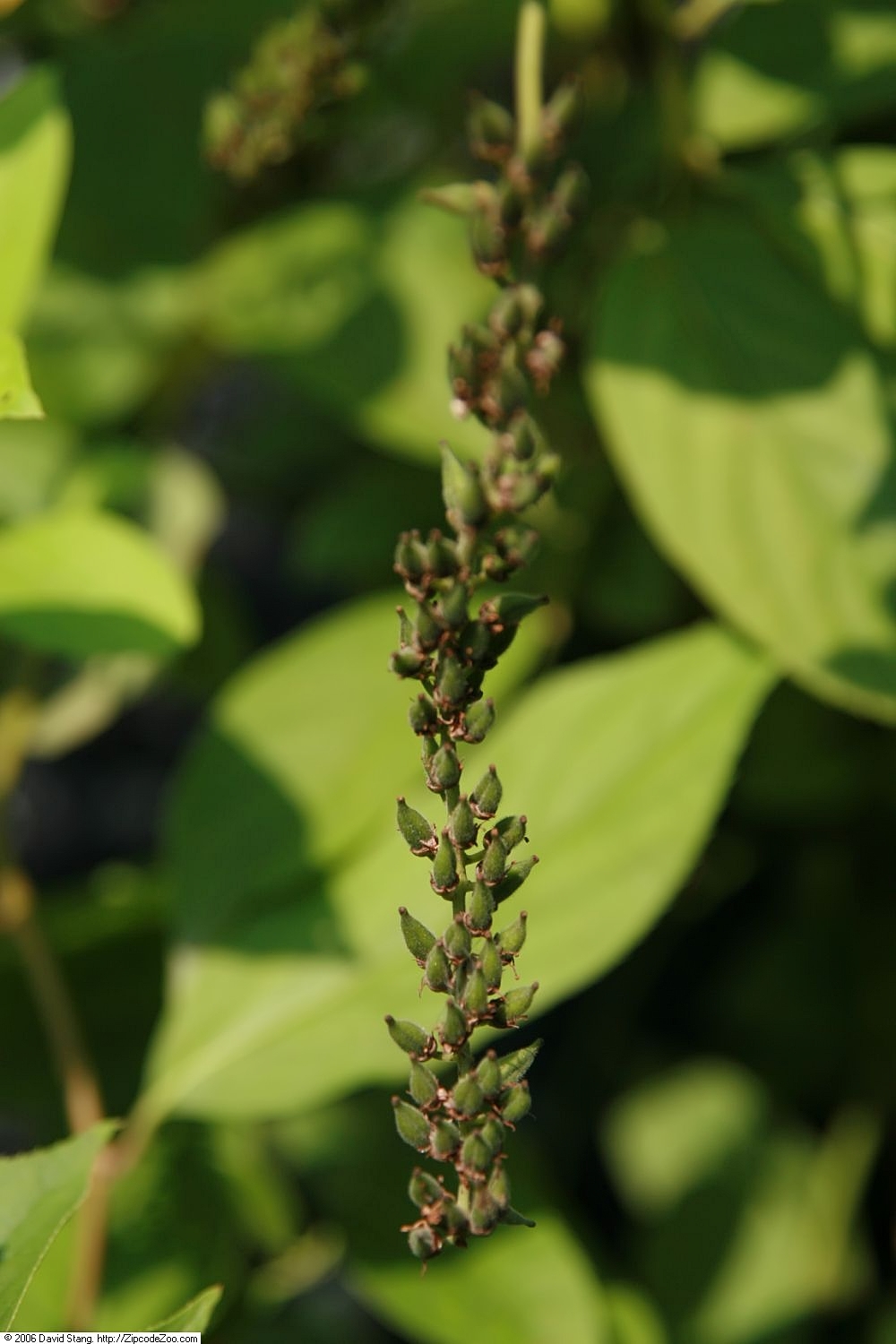
Virginia Sweetspire
Itea virginica
Full sun to part shade · 3–5 ft tall
Arching white flower spikes in early summer and rich burgundy foliage in fall give this native shrub a long season of interest. Choose a zone-6-hardy cultivar such as Henry's Garnet; it handles moist soils well.
Photo: Photo by David J. Stang · CC BY-SA 4.0
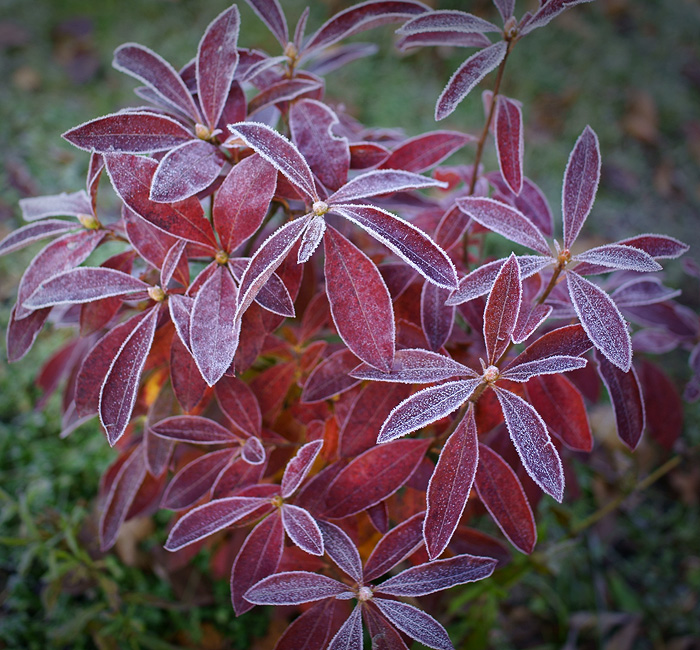
Northern Lights Azalea
Rhododendron Northern Lights Series
Full sun to part shade · 4–6 ft tall
Exceptionally cold-hardy deciduous azaleas with spring flowers in pink, white, yellow, or orange, depending on the cultivar. Plant in acidic, evenly moist soil and protect shallow roots with mulch.
Golden Lights cultivar shown in autumn foliage.Photo: Dmitriy Konstantinov · CC BY-SA 3.0
Perennials
Reliable color that returns every year, from spring phlox to fall coneflowers — the workhorses of sunny borders and shade gardens alike.
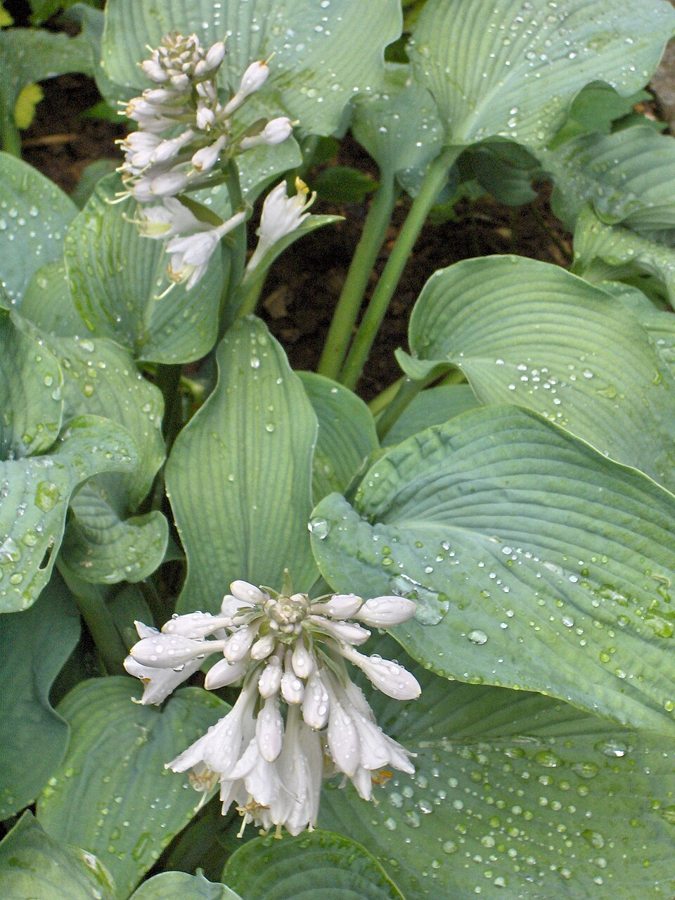
Hosta
Hosta spp.
Part to full shade · 1–3 ft tall
The shade garden staple — ribbed leaves in blue, green, gold, and variegated forms. Pair with astilbe and coral bells for season-long foliage.
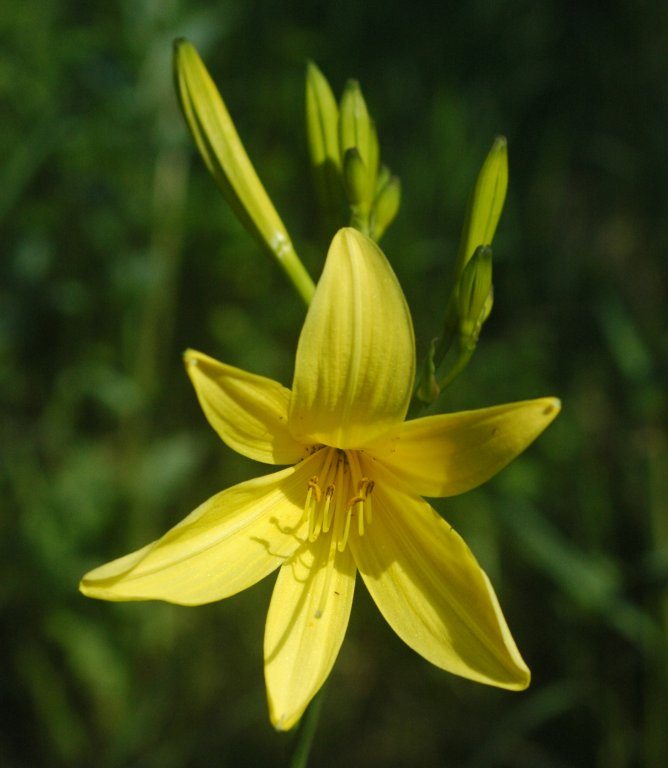
Daylily
Hemerocallis spp.
Full sun · 18–36 in tall
Practically foolproof: strappy foliage and weeks of bloom in nearly every color. Reblooming varieties flower from June into September.
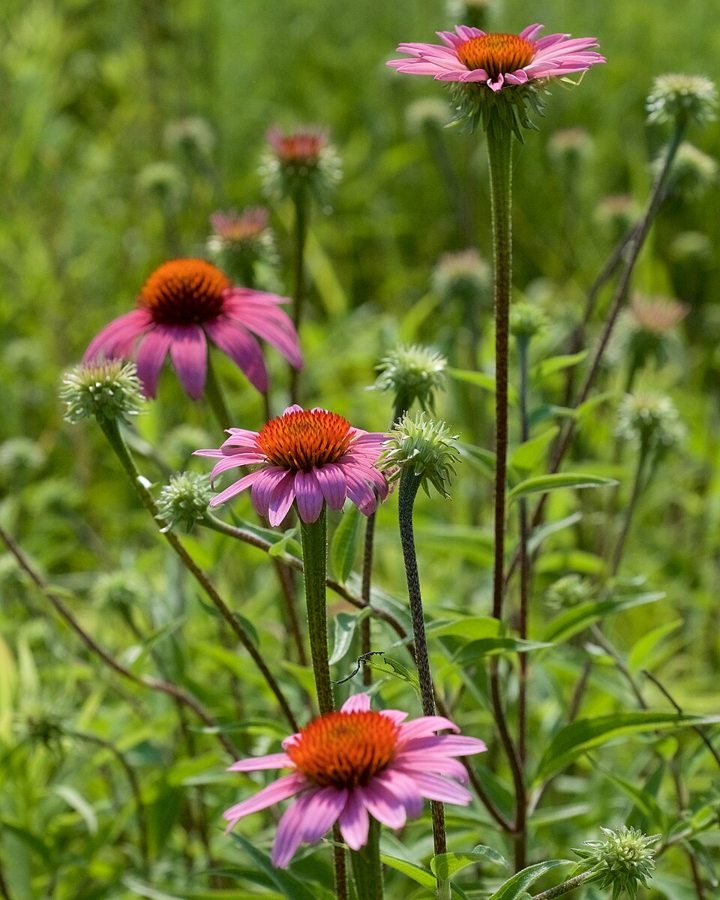
Coneflower
Echinacea purpurea
Full sun · 2–4 ft tall
Daisy-like purple blooms from July to frost, loved by butterflies and goldfinches. Native, drought tolerant, and long lived.
Photo: Eric Hunt · CC BY-SA 4.0
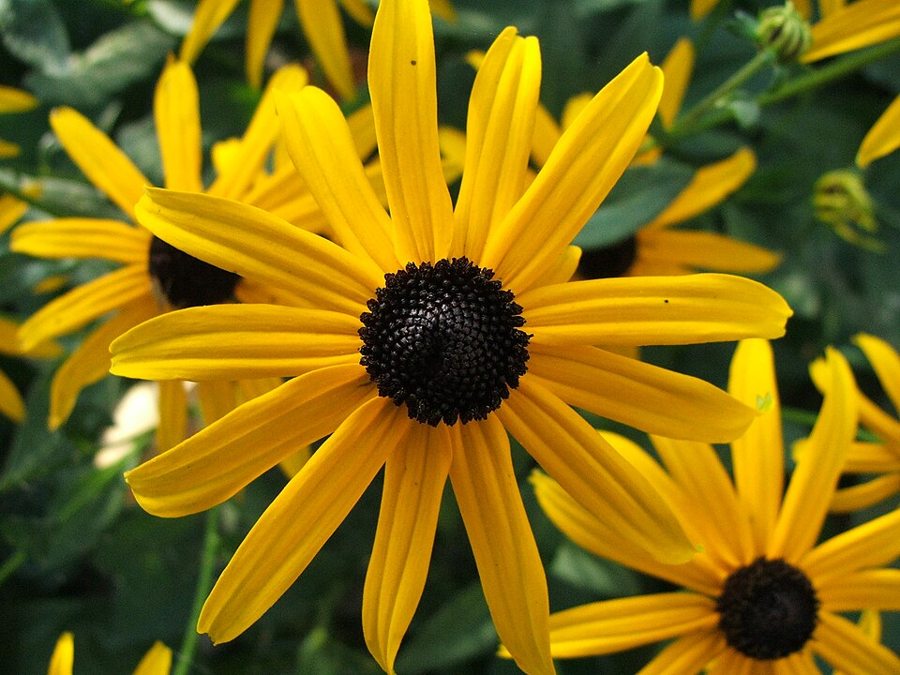
Black-eyed Susan
Rudbeckia fulgida
Full sun · 2–3 ft tall
Golden-yellow daisies from midsummer into October. Pairs perfectly with ornamental grasses and coneflowers in sunny borders.
Photo: Jerzy Opioła (Poland) · CC BY-SA 3.0
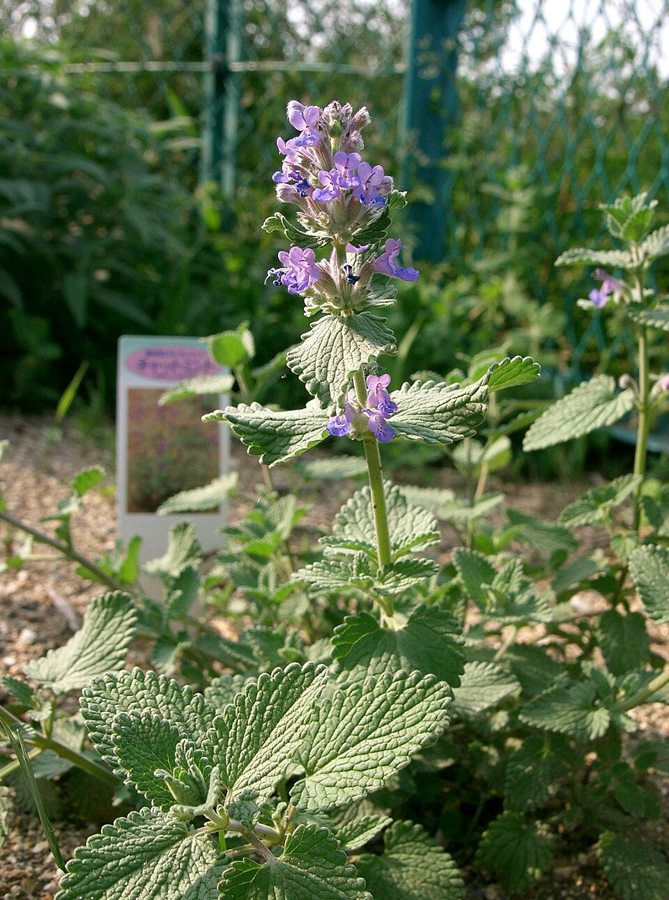
Catmint
Nepeta × faassenii
Full sun · 18–24 in tall
Lavender-blue spikes over gray-green foliage, blooming from May to frost. Shear it once midsummer and it rebounds in weeks.
Photo: KENPEI · CC BY-SA 3.0
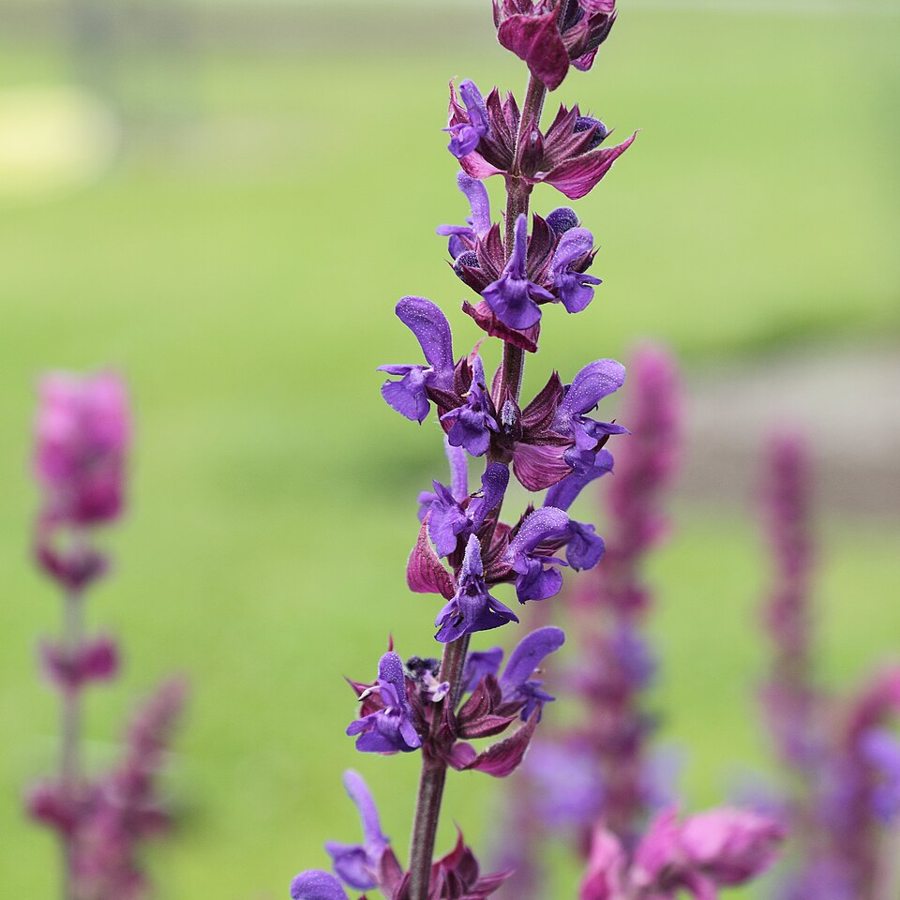
May Night Salvia
Salvia nemorosa 'May Night'
Full sun · 18–24 in tall
Deep violet flower spikes in early summer over neat clumps. Deer resistant and a strong replant after spring bulbs fade.
Photo: C T Johansson · CC BY-SA 3.0
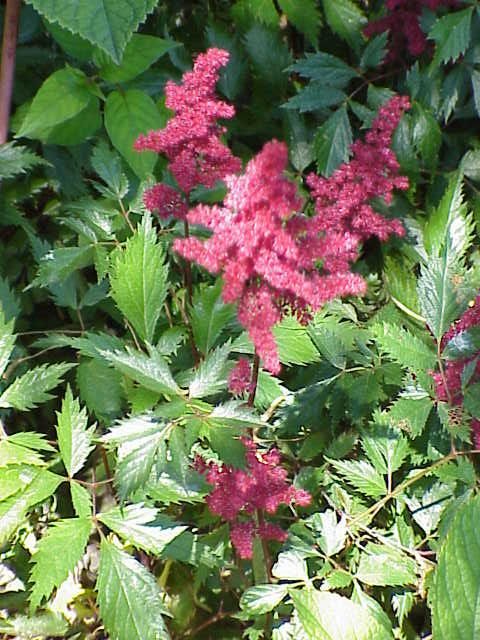
Astilbe
Astilbe spp.
Part shade · 1–3 ft tall
Feathery plumes in white, pink, and red brighten shady corners in June and July. Keep the soil evenly moist for the best show.
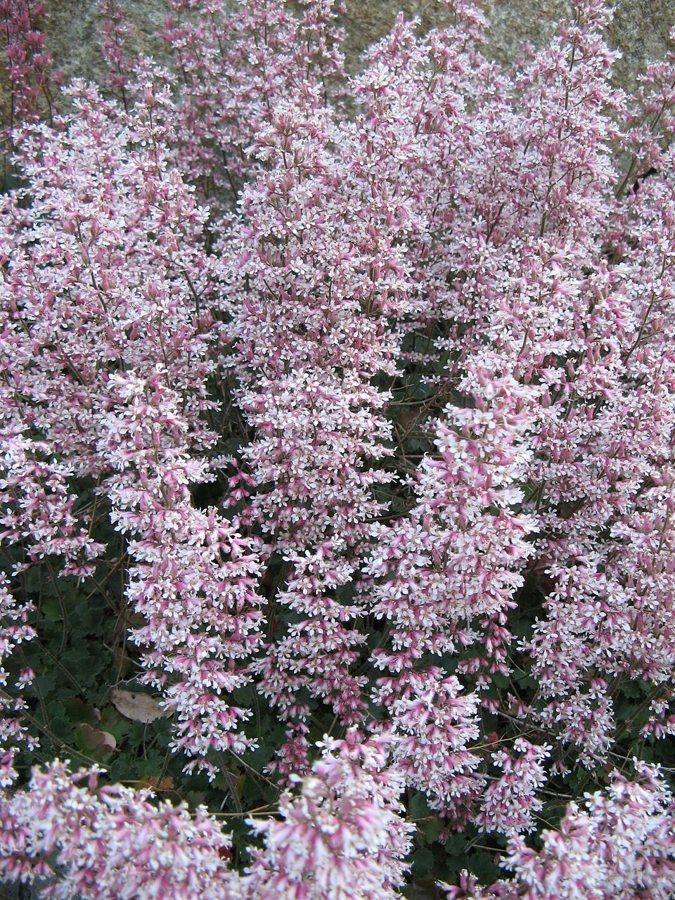
Coral Bells
Heuchera spp.
Part shade · 8–18 in tall
Grown for its foliage — mounds of purple, caramel, lime, and silver that edge paths and containers all season.
Photo: User:Geographer · CC BY 2.5
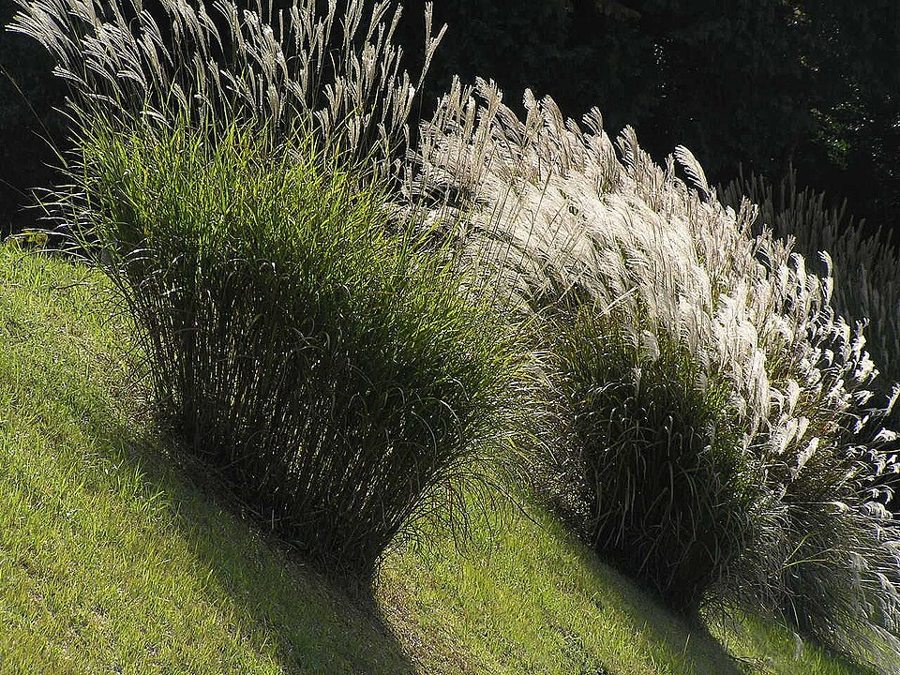
Maiden Grass
Miscanthus sinensis 'Gracillimus'
Full sun · 5–7 ft tall
Fine-textured arching blades with copper seed plumes in fall and winter structure when everything else has gone dormant.
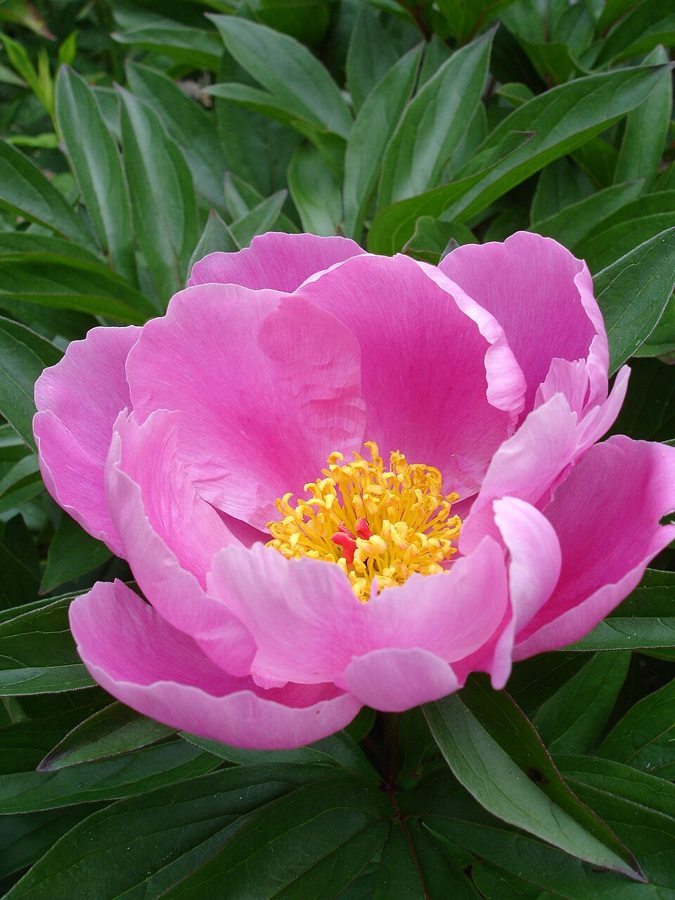
Peony
Paeonia lactiflora
Full sun · 2–3 ft tall
Enormous fragrant blooms in late May and June. Ants on the buds are normal — plants live for decades once established.
Photo: Ulf Eliasson · CC BY-SA 3.0
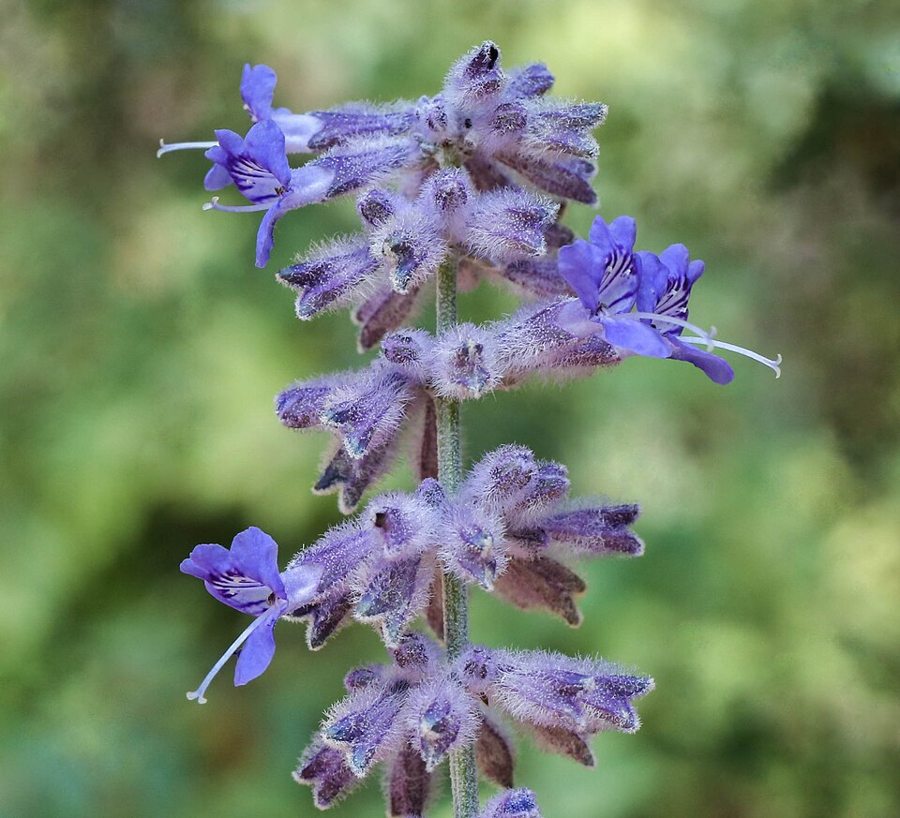
Russian Sage
Perovskia atriplicifolia
Full sun · 3–4 ft tall
Airy clouds of lavender-blue over silver stems from July through September. Thrives in hot, dry spots where other perennials fade.
Photo: Rationalobserver · CC BY-SA 4.0
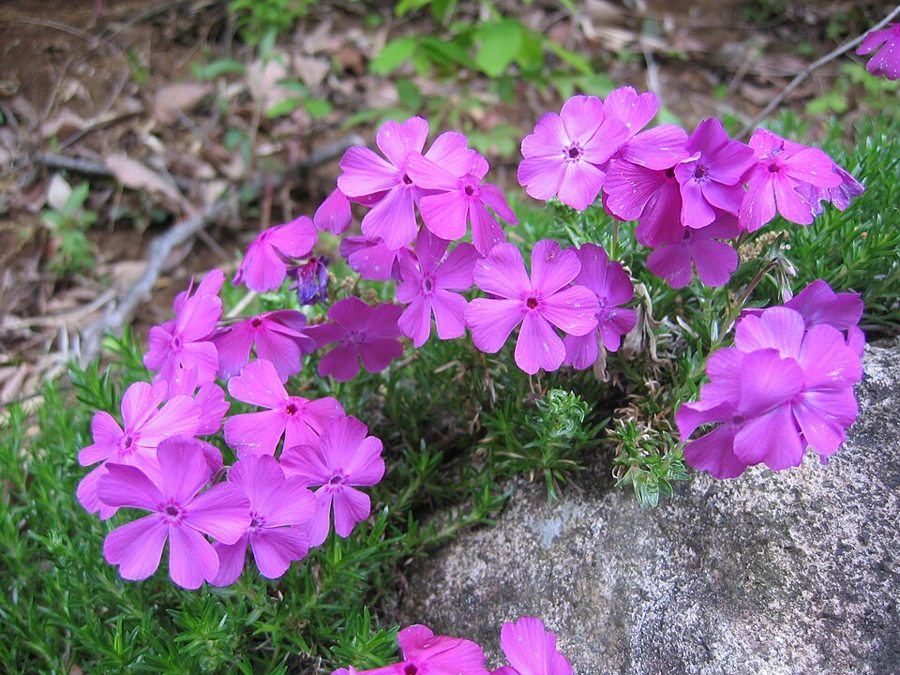
Creeping Phlox
Phlox subulata
Full sun · 4–6 in tall
A dense carpet of pink, purple, or white flowers in early spring that spills beautifully over walls and bed edges.
Evergreens
Year-round structure, screening, and winter interest — pines, spruces, hollies, and more for every corner of the property.
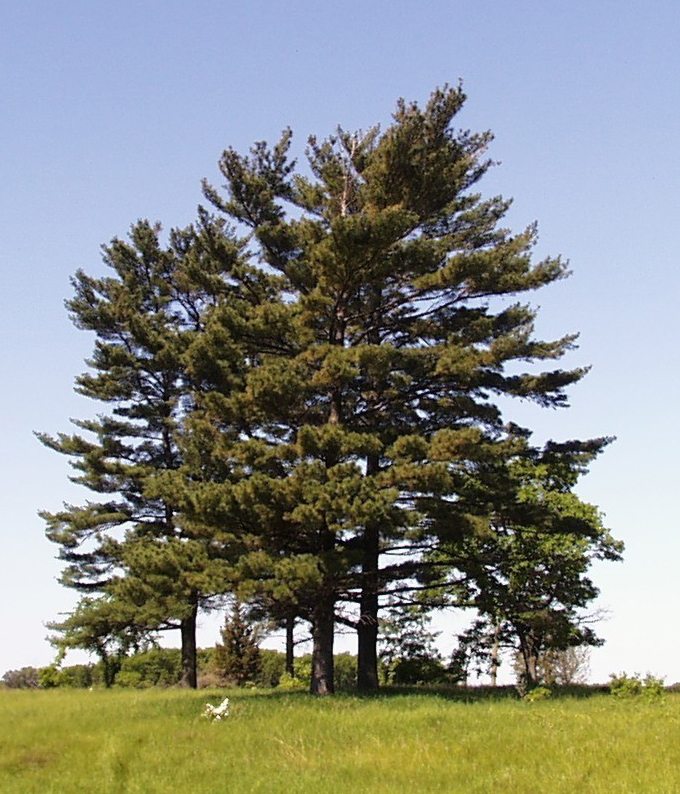
Eastern White Pine
Pinus strobus
Full sun · 50–80 ft tall
Soft blue-green needles give this native pine an airy shape. Best where it has room to grow, away from road salt and exposed winter winds.
Photo: US FWS · Public domain
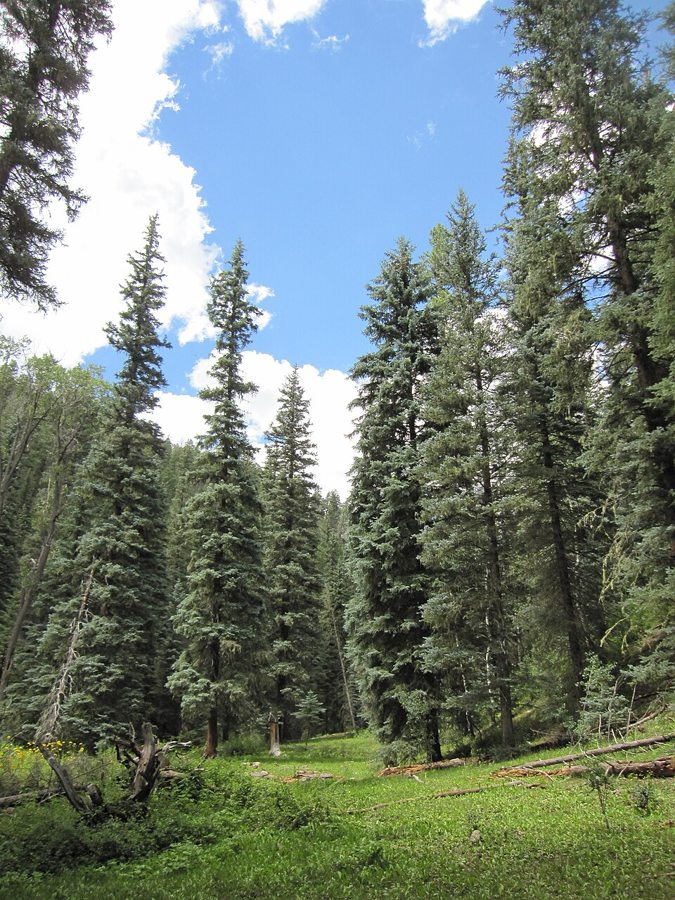
Colorado Blue Spruce
Picea pungens
Full sun · 30–60 ft tall
A striking specimen with silvery-blue needles and a strong pyramidal form. Allow plenty of space and good air circulation for long-term health.
Photo: Chris M Morris · CC BY 2.0
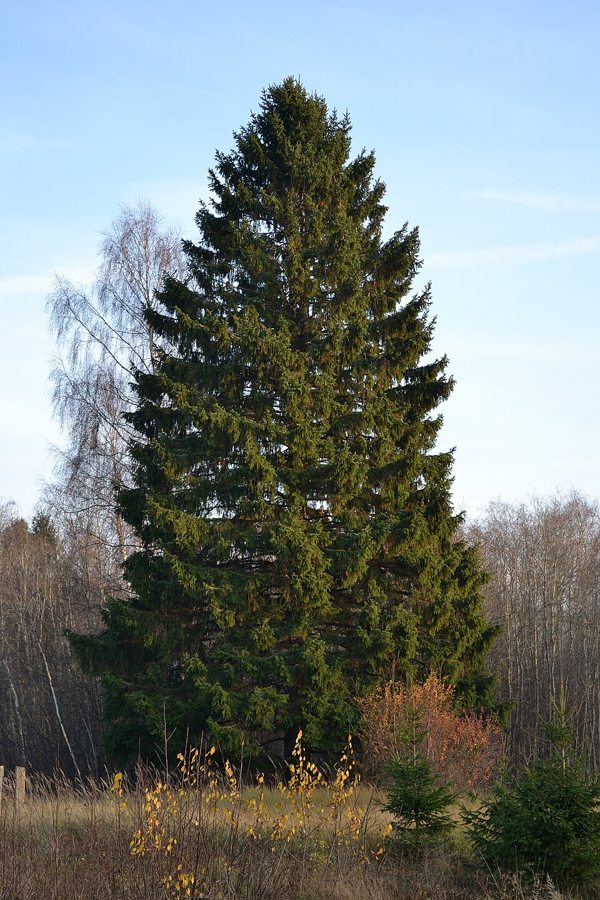
Norway Spruce
Picea abies
Full sun · 40–60 ft tall
Fast-growing evergreen with graceful drooping branchlets. An effective year-round screen on larger properties.
Photo: Ivar Leidus · CC BY-SA 3.0 ee
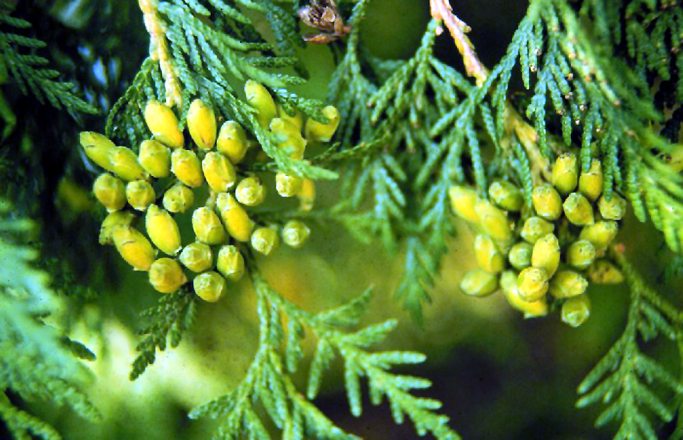
Eastern Arborvitae
Thuja occidentalis
Full sun to part shade · 10–30 ft tall
A classic New England screening evergreen with dense, soft foliage. Space carefully for a hedge, and protect young plants from deer browsing.
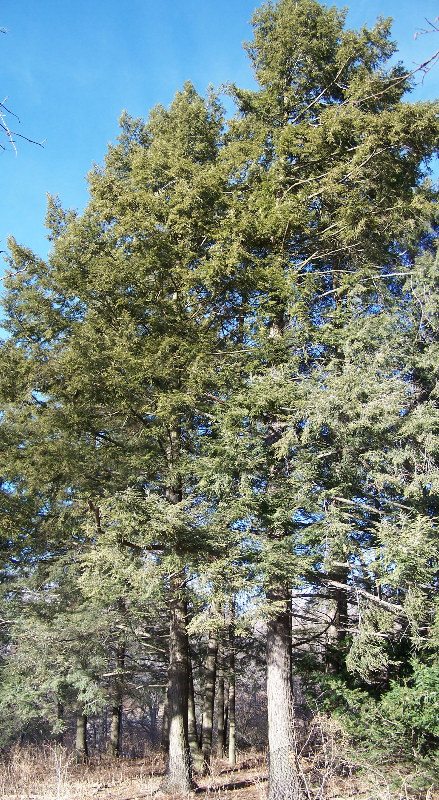
Eastern Hemlock
Tsuga canadensis
Part shade · 40–70 ft tall
Fine-textured native with layered branches, ideal for sheltered woodland edges. Monitor for hemlock woolly adelgid and avoid hot, dry sites.
Photo: Bruce Marlin · CC BY-SA 3.0
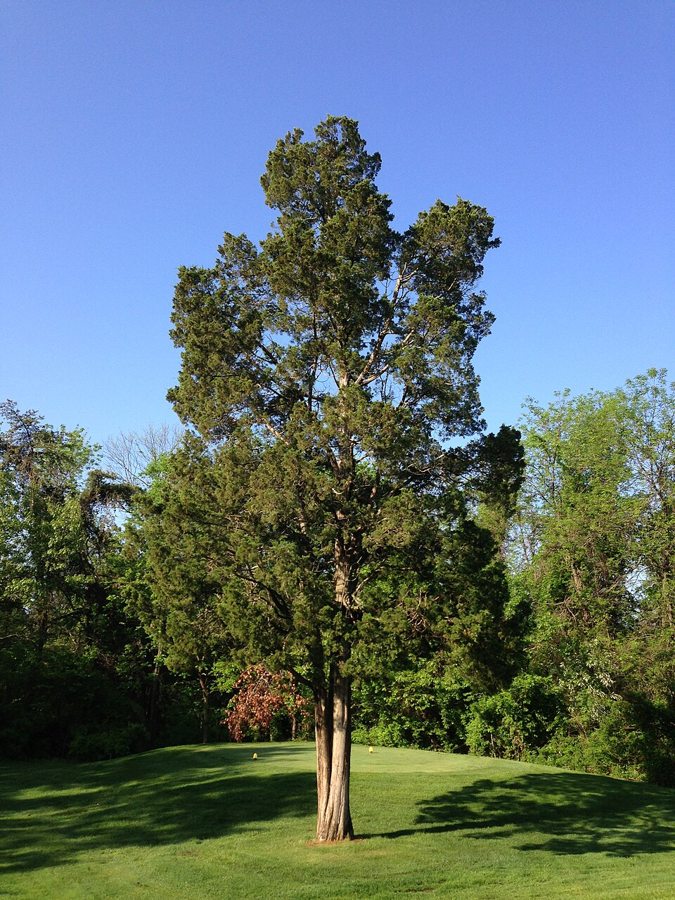
Eastern Red Cedar
Juniperus virginiana
Full sun · 30–50 ft tall
Tough native juniper that tolerates dry soils and wind. Its evergreen cover and blue berry-like cones shelter and feed birds.
Photo: Famartin · CC BY-SA 3.0
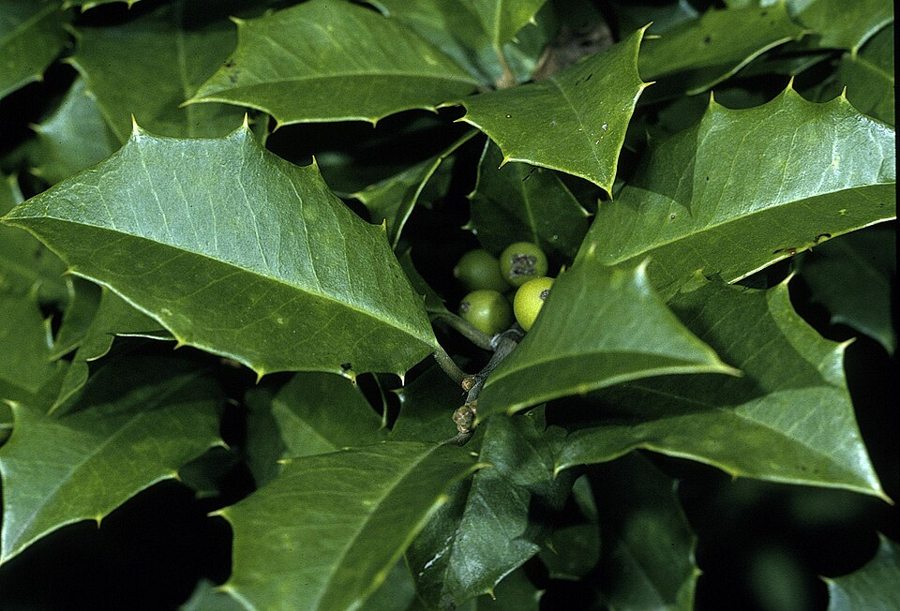
American Holly
Ilex opaca
Full sun to part shade · 15–30 ft tall
Glossy leaves and bright winter berries bring color to protected gardens. A female plant needs a compatible male nearby to set berries.
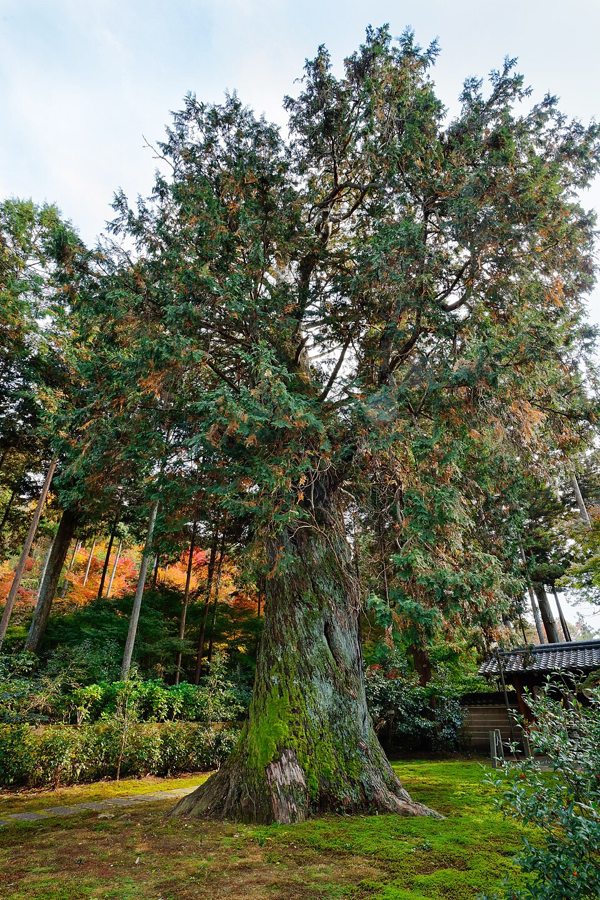
Hinoki Cypress
Chamaecyparis obtusa
Full sun to part shade · 6–20 ft tall
Sculptural sprays of deep green foliage make an elegant focal point. Size varies dramatically by cultivar; choose for the space available.
Photo: 杉山宣嗣 · CC BY-SA 4.0
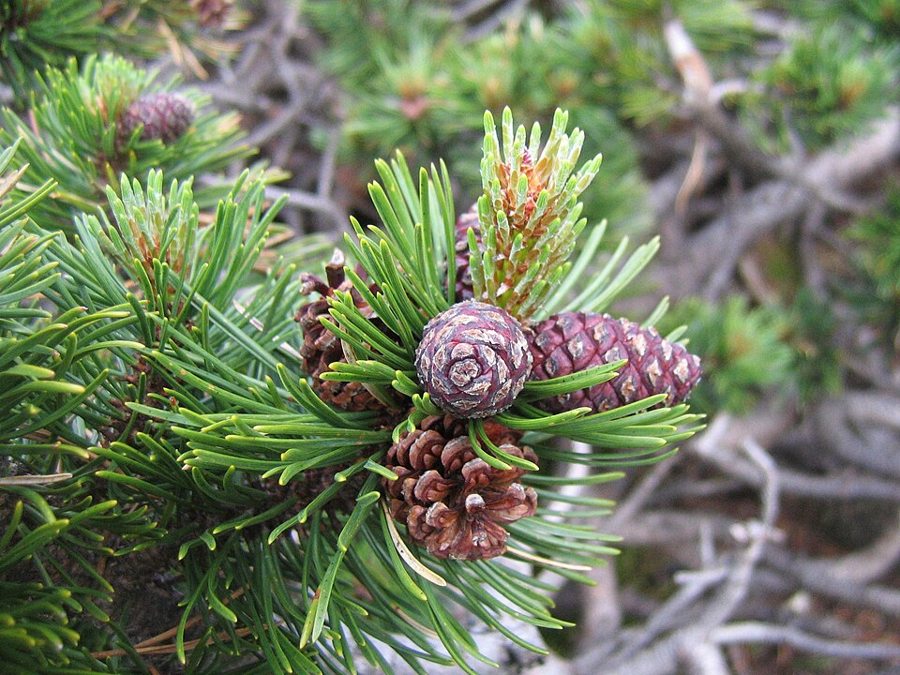
Mugo Pine
Pinus mugo
Full sun · 3–8 ft tall
Dense, low-growing pine with rugged texture for foundation beds and sunny slopes. Select a compact cultivar to keep its mature size in check.
Photo: Agnieszka Kwiecień, Nova · CC BY 2.5
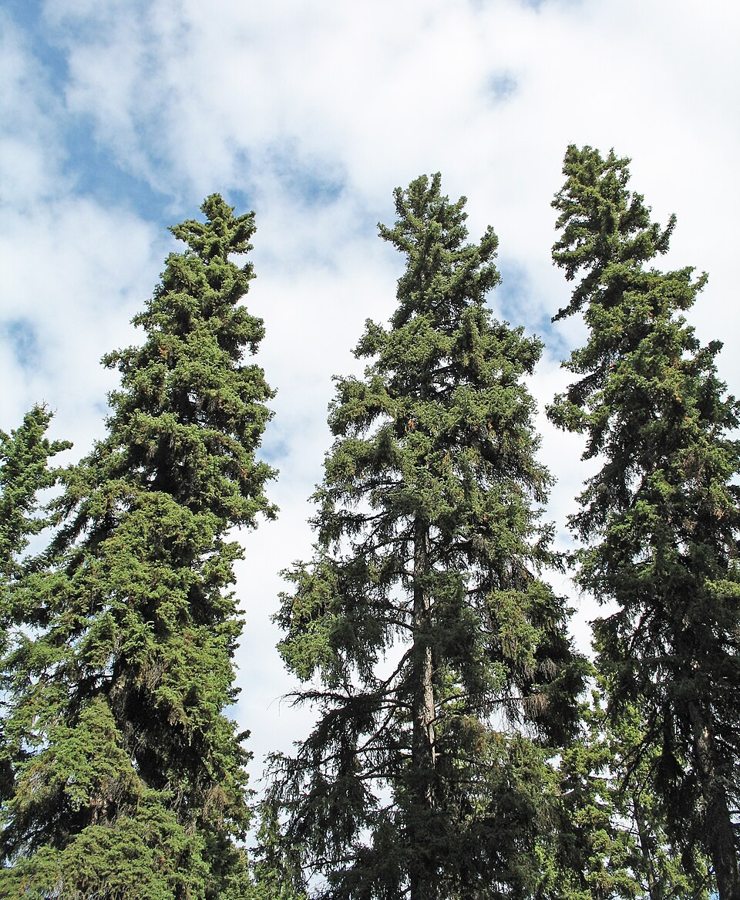
Dwarf Alberta Spruce
Picea glauca 'Conica'
Full sun to part shade · 6–12 ft tall
A naturally neat, narrow cone for entries and small gardens. Give it consistent moisture and watch for spider mites in hot, dry weather.
Photo: dmcdevit · CC BY-SA 2.0
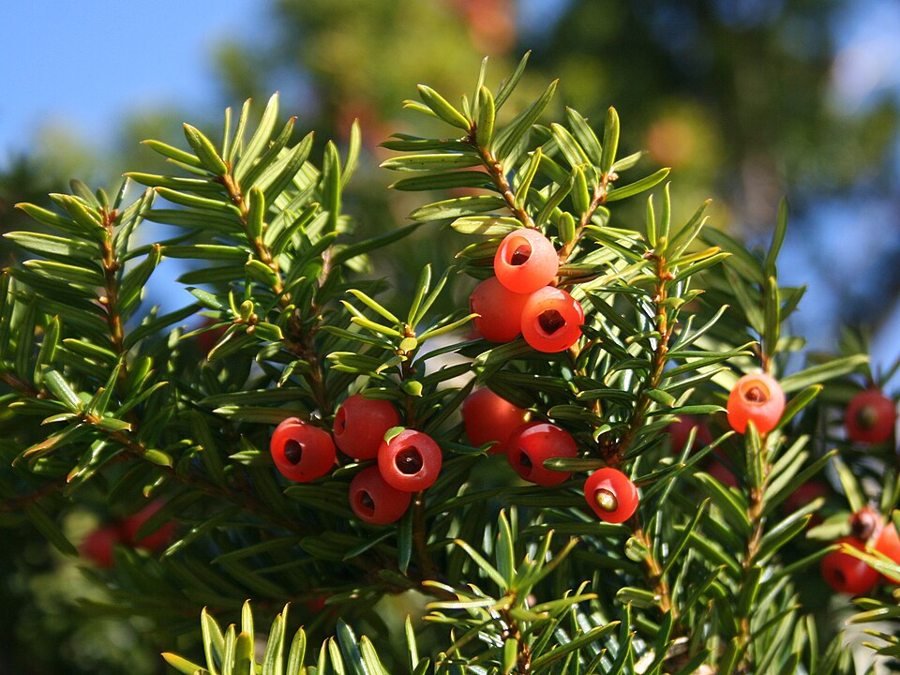
Japanese Yew
Taxus cuspidata
Full sun to shade · 4–15 ft tall
Shade-tolerant, deep-green evergreen that takes pruning well. All parts are poisonous if eaten, so choose its location with care.
Photo: Alpsdake · CC BY-SA 3.0
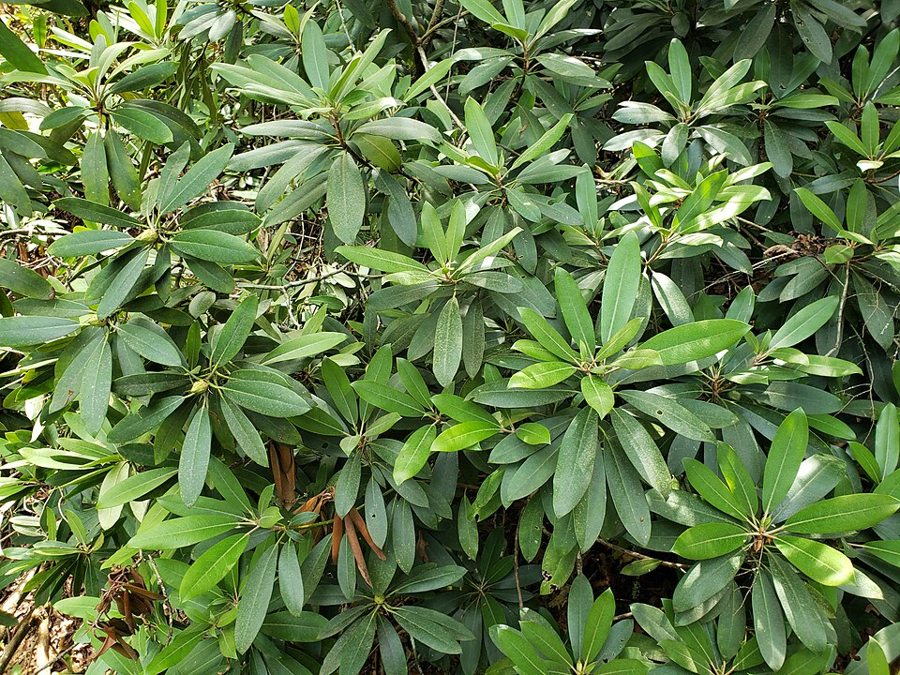
Rosebay Rhododendron
Rhododendron maximum
Part shade · 6–15 ft tall
Large-leaved native evergreen with pale summer flowers. Thrives in acidic, well-drained soil and sheltered woodland settings.
Photo: HoosierMan1816 · CC0
Annuals
One-season color for containers, entry beds, and borders — planted fresh each spring after the last frost.
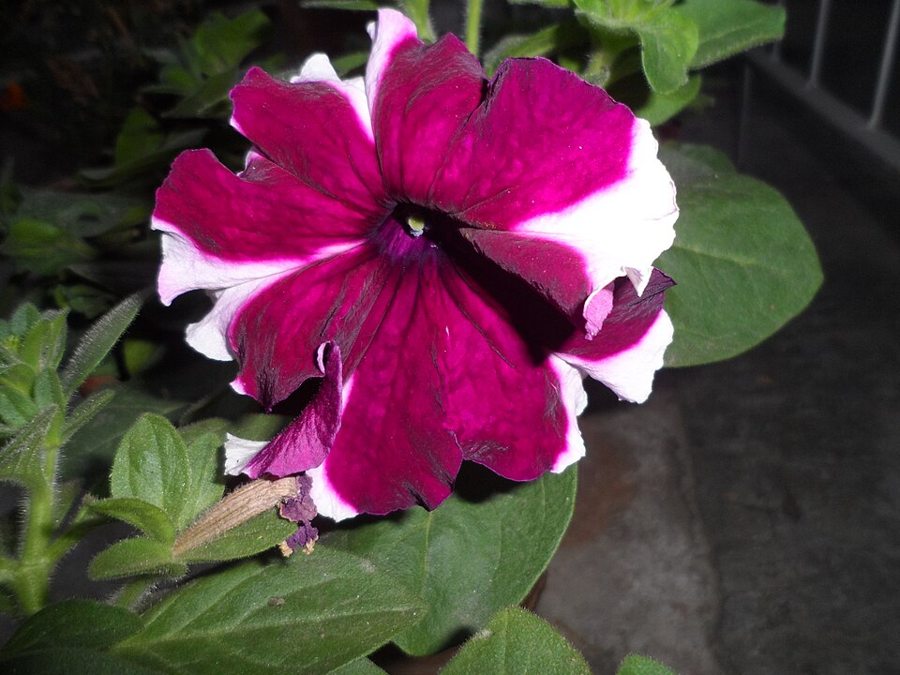
Petunia
Petunia × atkinsiana
Full sun · 6–18 in tall
Colorful trumpet-shaped blooms fill containers and sunny borders from late spring into fall. Trim leggy stems to encourage fresh flowers.
Photo: Rocksmoker 007 · CC BY-SA 3.0
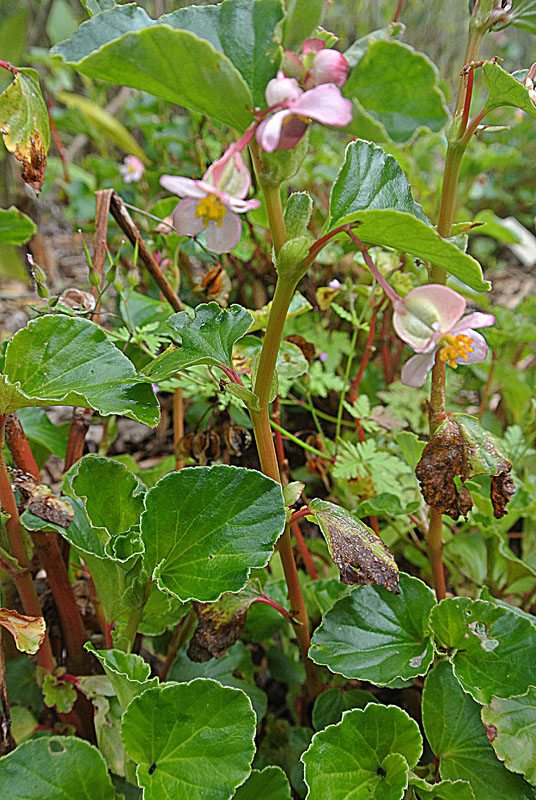
Wax Begonia
Begonia Semperflorens-Cultorum Group
Part shade · 6–12 in tall
Tidy mounds of white, pink, or red flowers and glossy leaves perform reliably in shaded entry beds and containers.
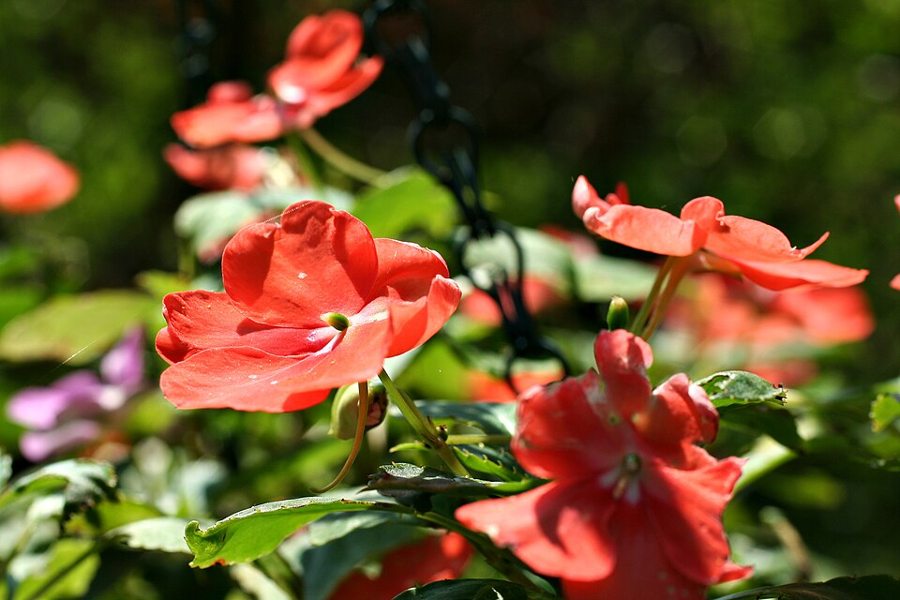
Impatiens
Impatiens walleriana
Part to full shade · 8–18 in tall
A favorite for continuous color in sheltered shade. Choose downy-mildew-resistant varieties where available and water evenly.
Photo: Thegreenj · CC BY-SA 3.0
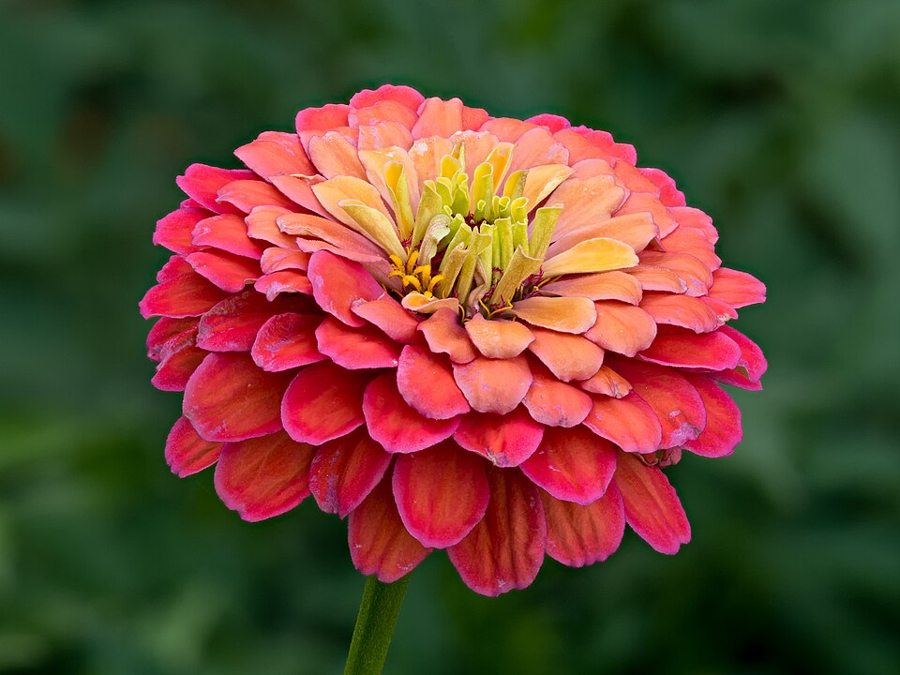
Zinnia
Zinnia elegans
Full sun · 1–3 ft tall
Bright, long-lasting blooms bring pollinators and cut flowers to sunny gardens. Good spacing helps foliage dry after rain.
Photo: Ermell · CC BY-SA 4.0
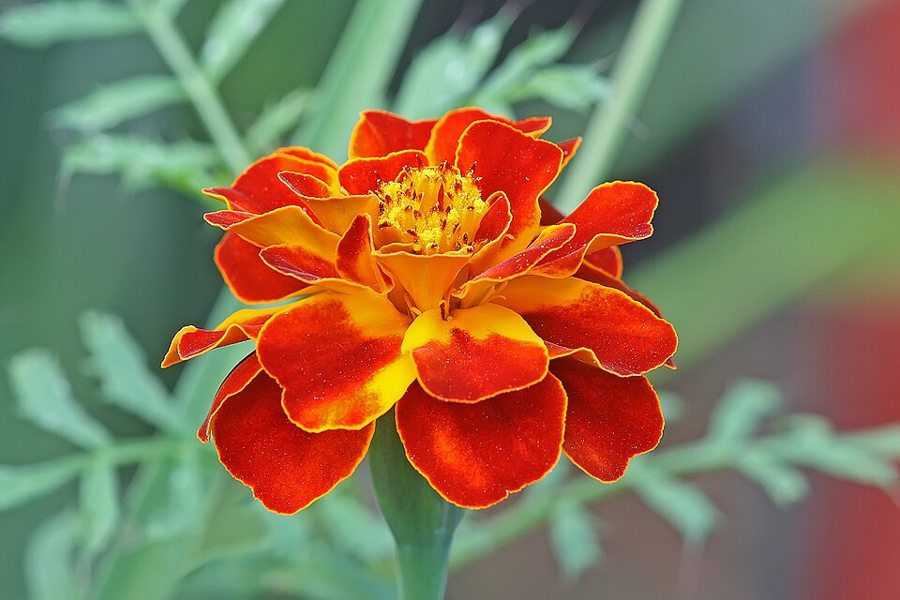
French Marigold
Tagetes patula
Full sun · 6–18 in tall
Compact golden and rust-colored flowers carry sunny borders through summer. Deadhead regularly for the best display.
Photo: Muhammad Mahdi Karim · GFDL 1.2
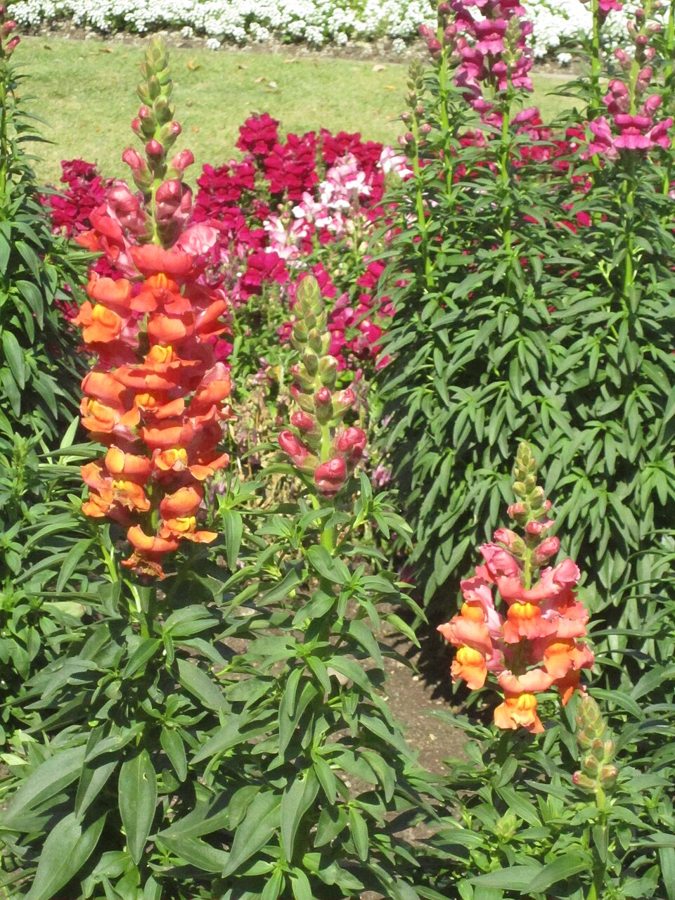
Snapdragon
Antirrhinum majus
Full sun to part shade · 8–36 in tall
Upright flower spikes add spring and autumn color when temperatures are cooler. Tall varieties make especially good cut flowers.
Photo: Craig Franklin · CC BY-SA 3.0 au
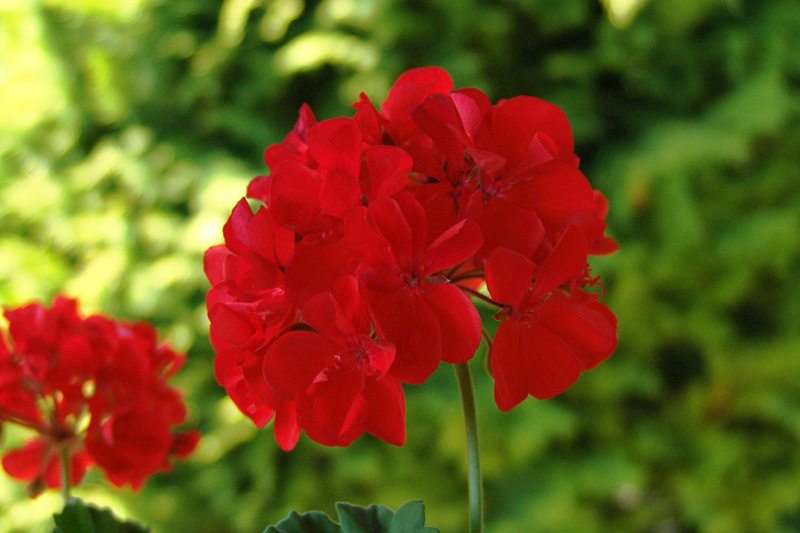
Zonal Geranium
Pelargonium × hortorum
Full sun · 12–24 in tall
Rounded flower clusters and patterned foliage are a classic for pots, porch planters, and sunny beds. Allow the soil surface to dry between waterings.
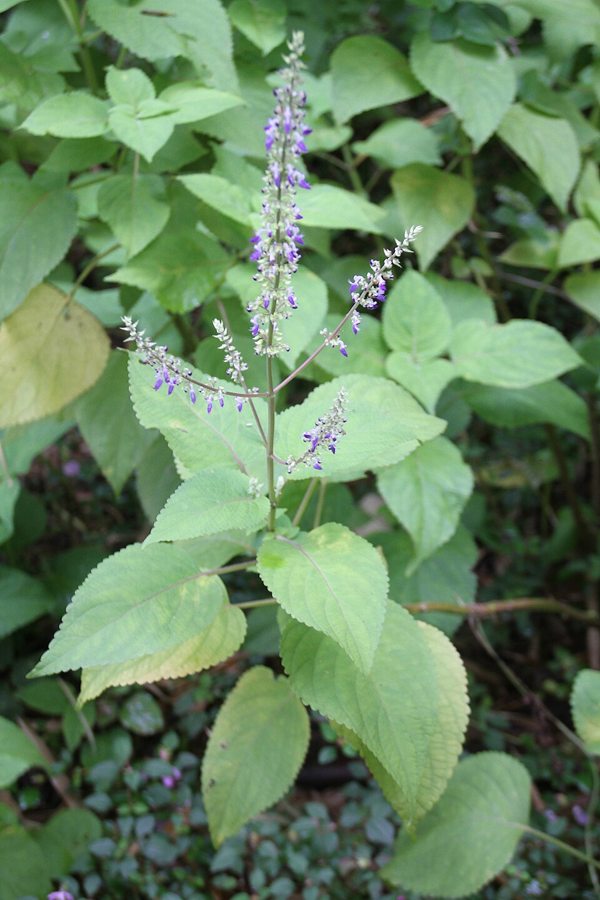
Coleus
Coleus scutellarioides
Part shade · 1–3 ft tall
Grown for bold foliage in burgundy, lime, pink, and copper. Pinch flower spikes to keep plants bushy and leafy.
Photo: Bjoertvedt · CC BY-SA 4.0
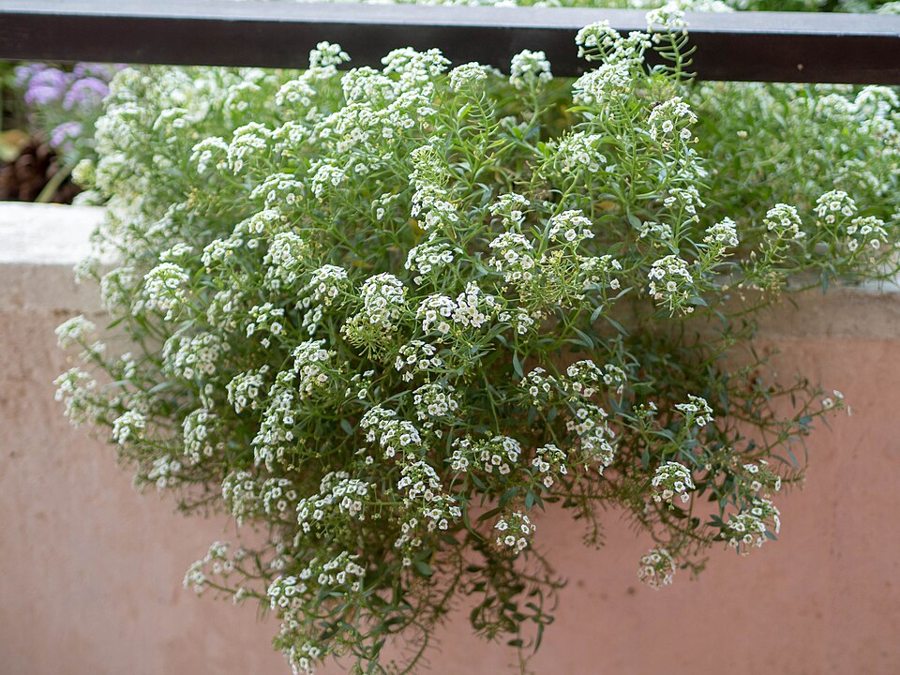
Sweet Alyssum
Lobularia maritima
Full sun to part shade · 4–10 in tall
A fragrant carpet of tiny white or purple blooms softens path edges and spills from containers. Can pause in extreme summer heat.
Photo: w0zny · CC BY-SA 4.0
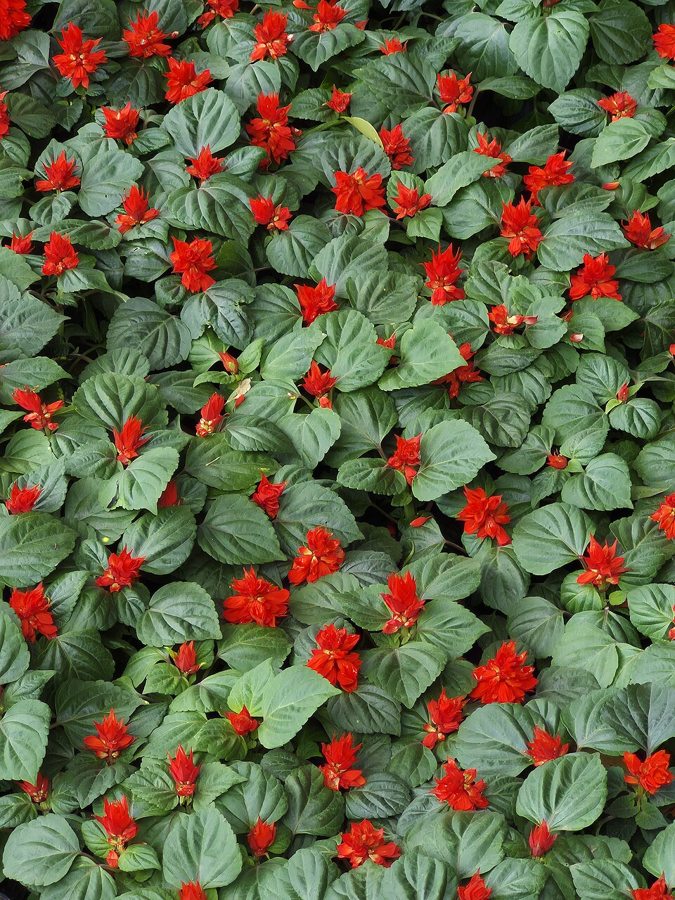
Scarlet Sage
Salvia splendens
Full sun to part shade · 1–2 ft tall
Vivid flower spikes give a strong hit of summer color and attract hummingbirds. Mass in groups for the greatest effect.
Photo: Gabriel Collares · CC BY 4.0
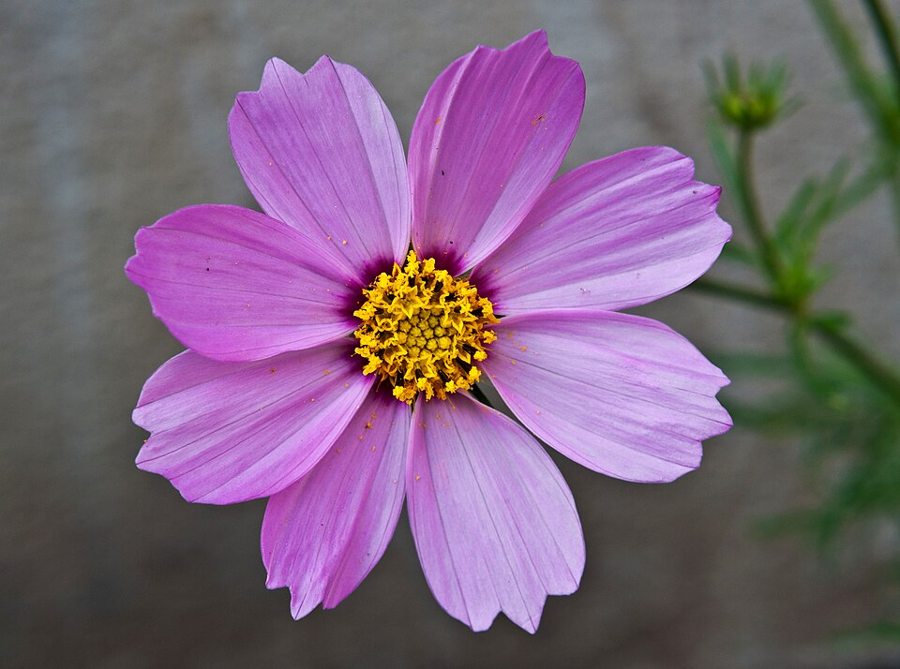
Cosmos
Cosmos bipinnatus
Full sun · 2–4 ft tall
Airy foliage and daisy-like blooms make a relaxed, pollinator-friendly addition to sunny garden beds. Avoid overfeeding.
Photo: Joydeep · CC BY-SA 3.0
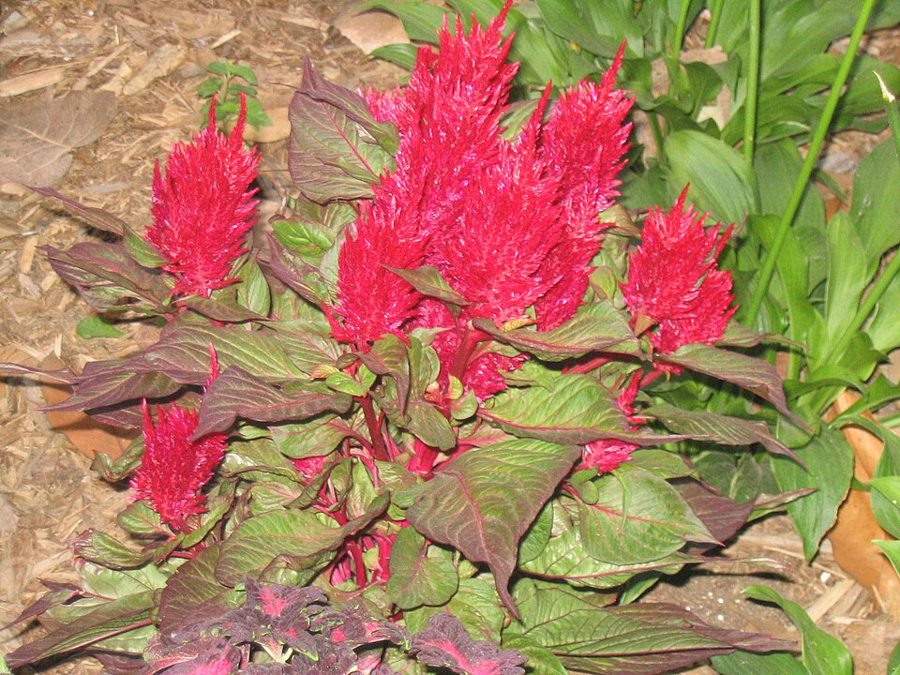
Celosia
Celosia argentea
Full sun · 8–24 in tall
Velvety plumes in warm jewel tones add late-summer texture to beds and containers. Plant out after the soil has warmed.
Photo: Quadell (talk) (Uploads) · CC BY-SA 3.0
Not sure what fits your yard?
We source and install everything we list — and we'll match the right plants to your soil, light, and style.